
Hindu step wells are incredible masterpeices
Importance of step wells and water In arid western parts of India, especially Rajasthan and Gujarat, water is critical for […]
Temples or devalayams have been the centers of Bharat’s civilisation. Temples are not merely centers of worship, these are anchors of the civilisation. The reason why they are anchors is because they represent the consciousness of the people who live around them.
The connection between the people and their temple is Yoga. The deity is not considered to be an alien entity but a member of the village, where it is called different things depending on it’s relationship with the people. When the deity defines the identity of the village, it is called a grama-deva, when it is the anchor of a clan, called kula-deva, and when an individual claims it as a personal friend, it becomes an ishta-deva. So, the temple and the deity become different identities depending on the relationship the devotee has with the deity. This Yoga is unique because it defines the very existence of the individual and it is cognitive, unlike any other system.
Importantly, the understanding of Yoga is enshrined as a practice in temples. The deity is treated as an individual, playing multiple roles like a friend, philosopher, guide, anchor or simple a target for a rant! All these transactions yoke the deity and worshipper in a lifelong bond of worship or Bhakti, or cognitive merger or Jnana that remains as an image in the Soul or Atma of the worshipper even after death. Indeed, this is the only relationship that the individual keeps even after exiting the body.
So, understanding the character and impact of Temples on Bharat, Dharma and Yoga is critical for understanding and presenvation of Astika-dharma and Bharat’s civilisation.
Importance of step wells and water In arid western parts of India, especially Rajasthan and Gujarat, water is critical for […]
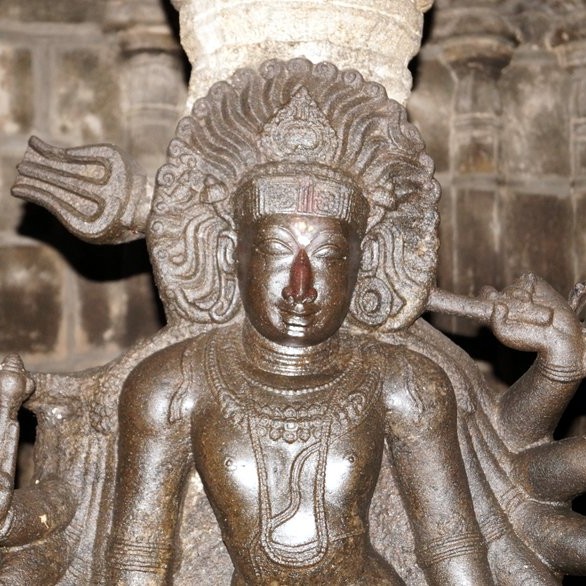
Introduction to Hindu temple Art The typical, ancient Hindu temple art is infused with a profusion of cognitive anchor points
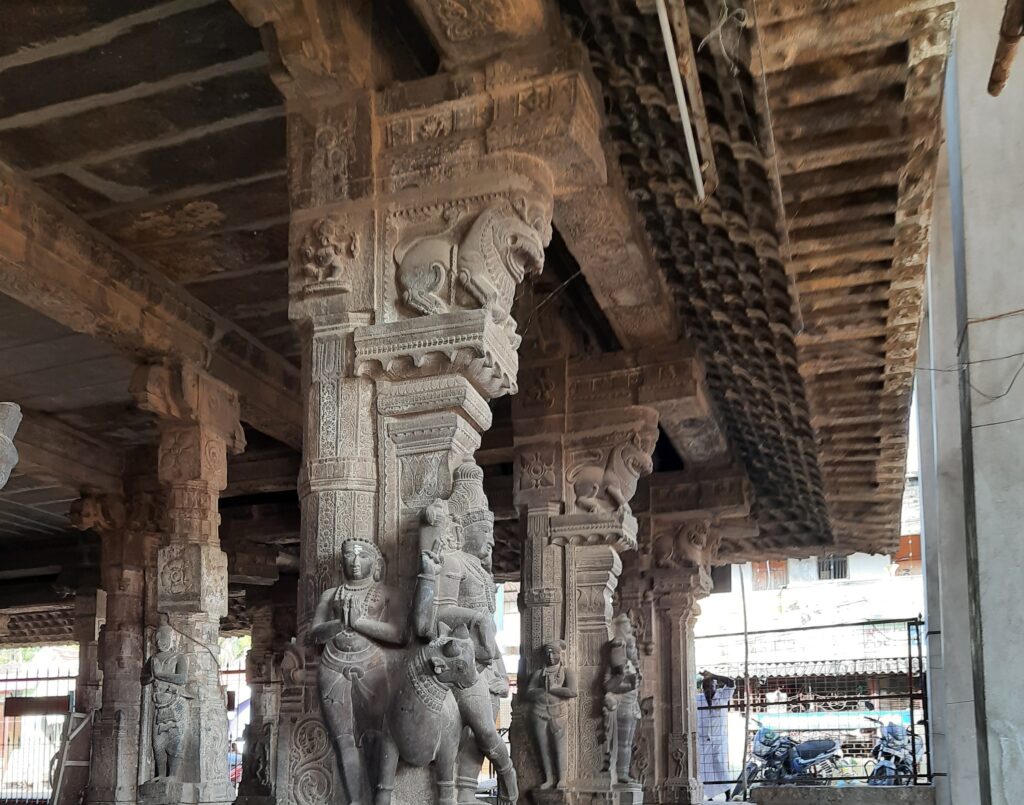
What is the basis of Hindu Temple art? Indian texts call the builders and craftsmen temple art as ‘‘Shilpin’’, which
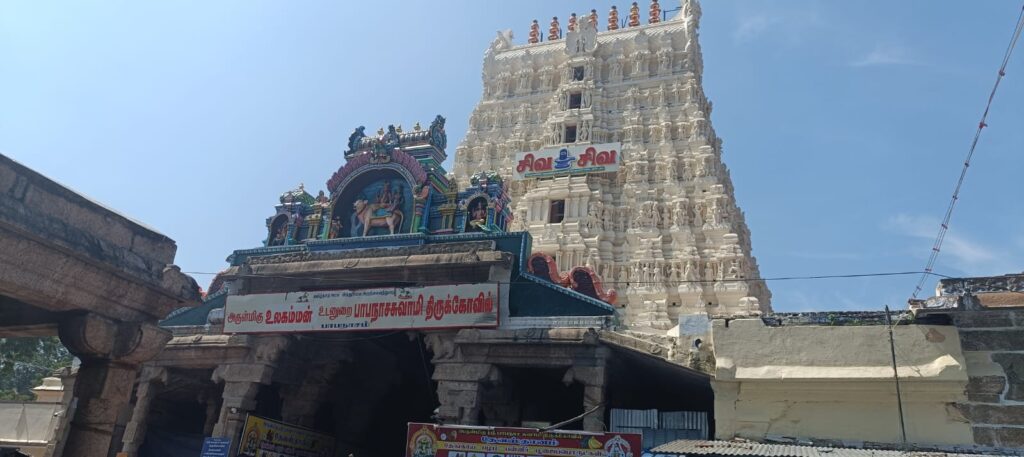
Introduction to Gopuram design Gopuram designs are intricate and ornate designs of the monumental entrance towers that grace the entrance
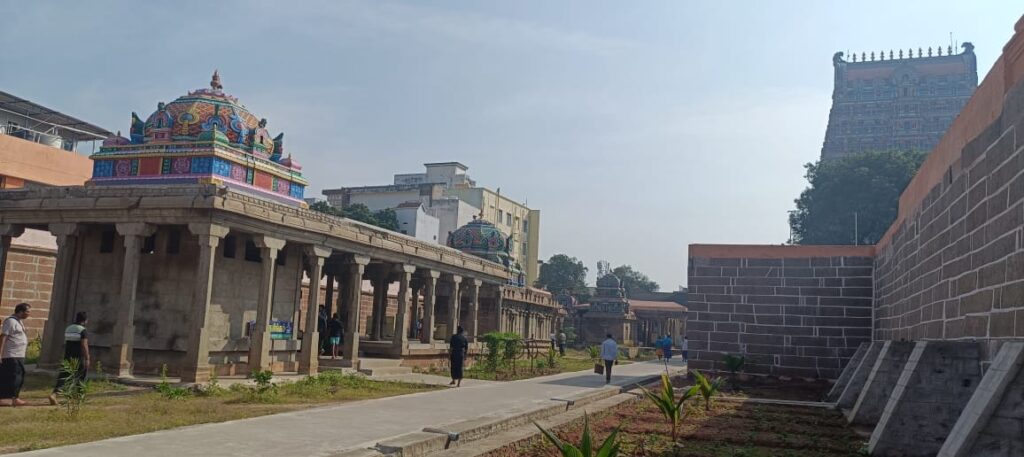
Hindu Temple Layout – Vastu Purusha Mandala All Hindu temple layouts follow a geometrical design called vastu-purusha-mandala. Here, Mandala means
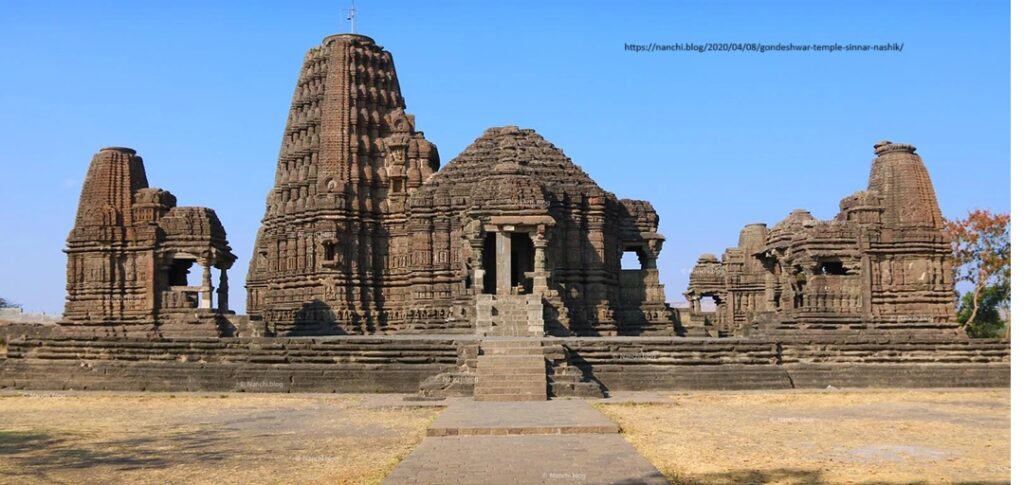
Hindu Temple Architecture is based on a science called Vastu Shastra. It details Hindu Temple Design from location to construction.
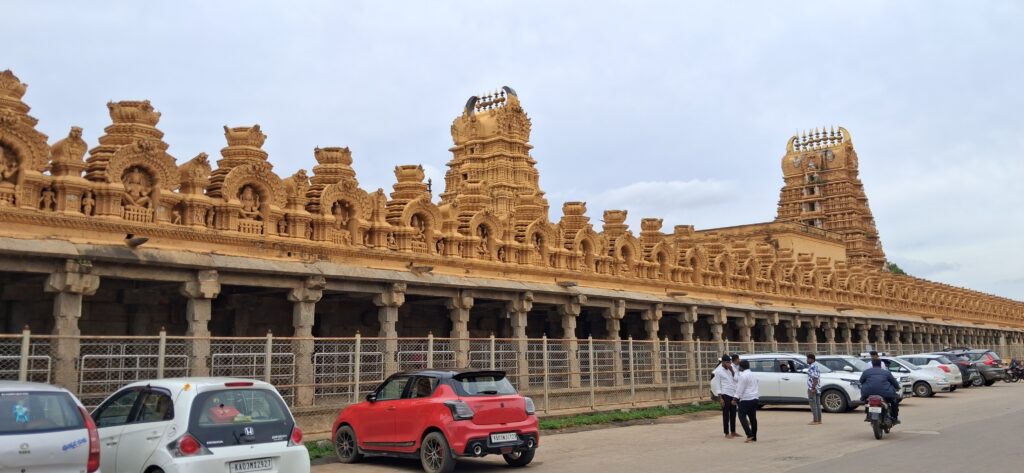
Introduction to temple architecture Hitherto, we have observed that a predominant number of Hindu temples exhibit the perfect square grid

A Hindu temple or mandir or Devasthana is a symbolic house, seat and body of divinity for Hindus. It is a structure that expresses the ideas and beliefs of Sanatana Dharma.