Yoga for lungs: Choosing Yoga Therapy to strengthen and heal the URT – Upper respiratory tract
Acknowledgement – School of Yoga is deeply grateful to Late Dr. V. Sivaraman for his collaboration of Yoga Therapy for Upper Respiratory Tract (URT) ailments.
Respiratory ailments stem from a large number of environmental and internal factors. Yoga therapy is a gentle and effective way to strengthen the respiratory system. Before we learn about the best practice of yoga for lungs, let us understand the process of respiration in detail.
Yoga for lungs: An introduction to respiration
Respiration consists of:
- Ventilation – Ventilation or breathing is the movement of air from the atmosphere to the lungs (inhalation) and out (exhalation) again.
- External Respiration – This is the exchange of gases across the respiratory membrane of the lungs.
- Gases Transport – This is the transportation of O2 in the blood to various parts of the body, mainly bound to the protein haemoglobin in red blood cells.
- Internal Respiration – This refers to gas exchange across any respiratory membrane during metabolism.
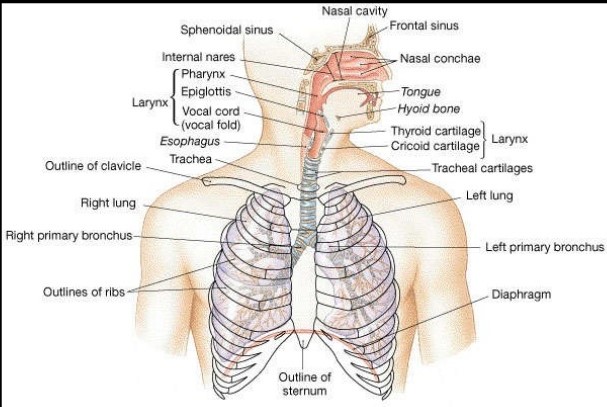
Respiratory anatomy can be split into:
- Upper Respiratory Tract – Mouth, nose, nasal cavity, sinuses, epiglottis and larynx.
- Lower Respiratory Tract – Trachea, bronchi, bronchioles, lungs and alveoli.
Yoga for lungs: Understanding the process of respiration:
Part 1 – Flow of air into the nasal passage
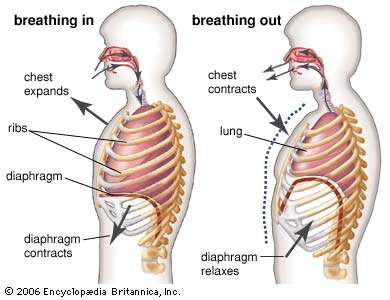
First, air is sucked into the respiratory system through the nostril. How does this occur?
- The diaphragm is a muscle which separates the abdominal cavity from the thoracic cavity. In fact, it is anchored on the lower ribs. So, during inhalation, the diaphragm moves down, creating a negative pressure in the thoracic cavity. Consequently, this draws in air from the atmosphere.
- Next, the movement of the diaphragm is against the movement of the rib cage and abdomen. So, both systems expand to allow the downward movement of the diaphragm. As a result, a reverse pressure is created within the abdomen and rib, which forces the diaphragm to move upwards again. Consequently, there is an upward movement of the diaphragm which changes the intra-thoracic pressure from negative to positive, resulting in air being forced out of the lungs.
- Importantly, breathing is a reflex action. Also, it is a parasympathetic process which is controlled by the medulla oblongata. In fact, the rate of breathing is dependent on the concentration of O2 / CO2 and blood ph. Additionally, the pons control the speed of inhalation (speed of the movement of the diaphragm).
Part 2 – Flow of air and awareness
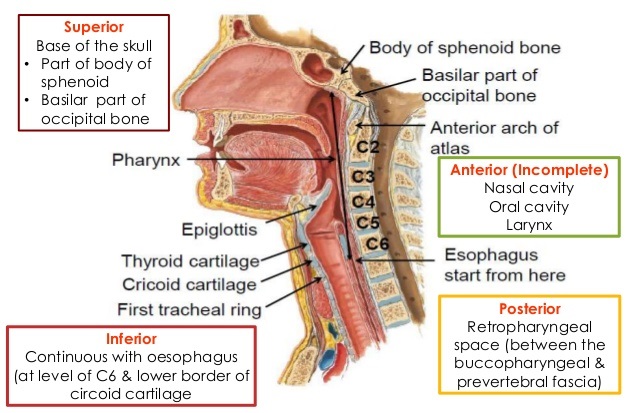
- Initially, when breathing in, air crosses the sinuses. Uniquely, sinuses are pockets of air which secrete mucous into the nasal cavity through orifice called ostia. These open into small recesses called meati and are protected by shelf like projections called turbinates.
- Next, the incoming air is compressed at the bridge of the nose, called septum. This is a venturi like structure which results in the air getting compressed when entering the nose. Therefore, due to the venturi effect in the septum, the air exits the septum into the nasal cavity under pressure which is lower than atmospheric pressure. Consequently, this causes the air to swirl within the nasal cavity.
- Meanwhile, the fins of the turbinator direct the swirl and split the incoming air.
- One part of the incoming air is guided by the nasal concha over the olfactory epithelium, and activates the olfactory bulb.
- Next, the inferior concha guides air over the nasopharynx. This results in a resonating column effect within the auditory tube, which activates the middle ear.
- Importantly, the sinuses are air-pockets, so they resonate to the flow of air and differential pressure between the nasal passage and sinus.
Part 3 – URT dynamics
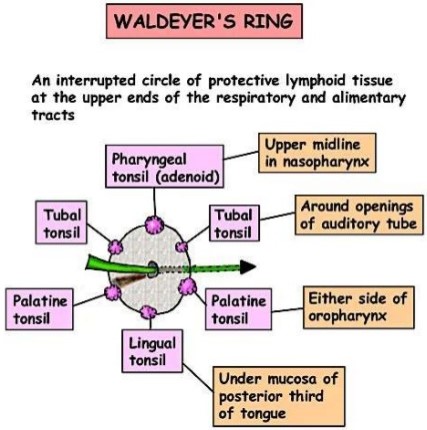
The result of the above movement of air is the creation of a resonance which results in an awareness of being alive. In fact, an most important part of the generation of this awareness are the sphenoid sinus and the auditory tube, because they are directly in the passage of draft going into the oropharynx.
There is a slight drop in temperature of the incoming air due to the venture effect, which is compensated by the warm air in the nasal cavity and sinuses. This is why, there is often condensation over the bridge of the nose and, also the reason for the nose being the coldest part of the face.
Part 4 – URT flow of air into the pharynx
Now, the air now passes over the soft palate into the pharynx. The pharynx consists of 3 parts:
- Nasopharynx corresponds to the passage behind the nose,
- Oropharynx corresponds to the passage behind the mouth, and
- Laryngo pharynx corresponds to the passage within the throat area.
Part 5 – The lymph system
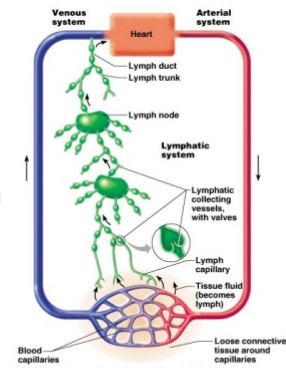
Lymph system is a passive system which performs and acts as a sentinel to protect the respiratory and digestive tract.
- Firstly, the lymph system performs 4 functions – transport of clean fluid back to the blood, drainage of excess fluid from tissue, removal of debris from cells and transport of fat from the digestive system.
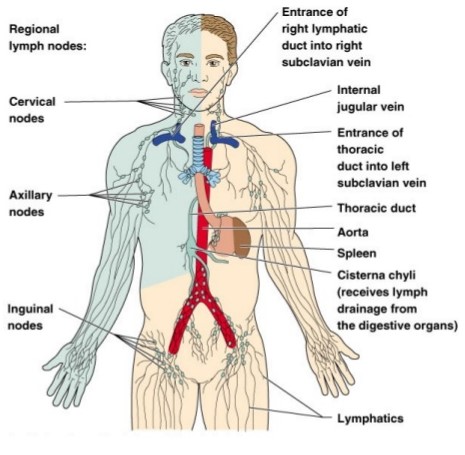
- Next, the movement of lymph is by the milking action of the muscles and gravity. In fact, this fluid returns to the circulatory veins near the heart through the right lymphatic duct and thoracic duct.
- Lastly, lymph fluid is collected at the lymph nodes.
- These nodes perform 2 functions, i.e. housing of microphages which engulf and destroy foreign substances, and production of lymphocytes which protect the body from infection.
- Lymphatic function is also supported by spleen, thymus (in thorax), tonsils and peyer’s patches in the walls of the small intestine.
Yoga for lungs: What are the factors that affect URT Health?
The URT is affected by the following parameters:
- Air – Atmospheric air enters the body through the nose and mouth. So, poor quality of air can induce infection. Therefore, to prevent this, the first line of defence are the tonsils. In fact, tonsils are lymphoid tissue which try to trap and destroy antigens.
- Food and water – Next, diseases borne by food and water are also handled by the tonsils. However, since food and water travel into the alimentary canal, there is further protection in the small intestine in the form of peyer’s patches.
- Temperature – Essentially, optimum air and food temperature ensure the maintainance of the health of the URT tissue.
Yoga for lungs: How does Yoga Therapy provide solutions to URT health?
It is obvious that the Upper Respiratory Tract (URT) is one of the most critical areas of the body. In fact, it is an intricately designed system of symbiotic structures. However, these parts also have maximum exposure to infection and abuse. Hence, the health of this system is critical. Let us understand how the health objectives can be met with the practice of yoga for lungs and overall respiratory wellness.
The health of the URT may be divided into the following areas:
Internal strength and immunity:
- Increased resistance to air and water infection by strengthening the adenoids and the pharynx. Viparita-karani, sarvangasana, matsyasana, nadi shuddhi, bhramari, ujjayi, and bhastrika pranayama are critical for this.
- Increasing strength and flexibility of the pharyngeal muscles. Ardha matsyendrasana, shirshasana, viparita-karani, sarvangasana, matsyasana and ujjayi pranayama address this aspect.
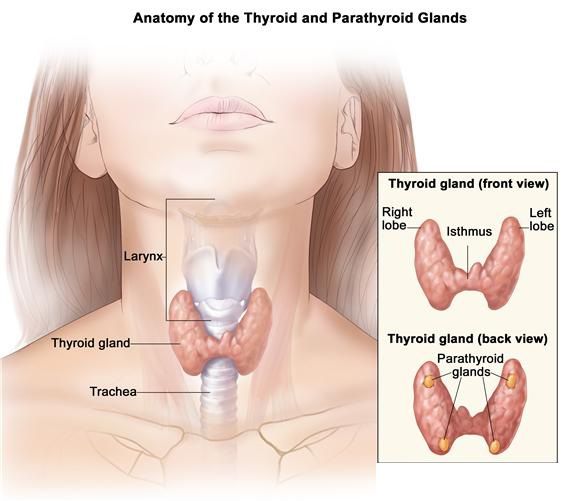
- Any activity to increase health of the URT will require improvement in the health of the thyroid. Viparita-karani, sarvangasana, matsyasana, bhramari, ujjayi and bhastrika pranayama are critical.
- Breathing is a psychosomatic process which affects the overall health of the body. Hence it is important to ensure breathing is deep, regular and rhythmic to ensure that stress is eliminated from the system. Nadi shuddhi pranayama and dhyana are important.
- It is important that the practitioner also keeps a clean digestive system, as it affects the breathing cycle. Pavanamuktasana, shalabhasana and dhanurasana are critical.
Reducing impact of allergies:
Importantly, to optimise the health of the URT, one should avoid food which causes allergies.
Lifestyle and diet:
- Diet – Eat small and multiple meals, as this affects the movement of the diaphragm and in turn, rhythm of breathing.
- Weight – Bring weight down to recommended levels.
- Water – Drink plenty of water.
- Sleep – Affects stress and catabolic rebuilding of the body and homeostasis.
Yoga for lungs: The recommended asana and pranayama routine for URT health
Yoga therapy solutions involve a routine practice of yoga for lungs. The below mentioned asanas and pranayama breathing techniques are recommended. While practicing the ideal yoga for lungs, one also needs to maintain discipline in diet and lifestyle.
- Beginner – 3 months – All asana to be performed slowly and after OK from doctor.
- Intermediate – 3 months – All asana to be performed only after improvement is detected and after OK from doctor. Estimated time – 30 mins.
- Final – All asana to be performed only after substantial improvement is detected and after OK from doctor. Estimated time – 45 mins.
| Yoga for lungs: Asana (click on the asana to get the detailed process) | Beginner | Intermediate | Final | |
| No | Time frame | 3 months | 3 months | Thereafter |
| 1 | Padmasana | 3 minutes | 3 minutes | 3 minutes |
| 2 | Trikonasana | 2 | 2 | 2 |
| 3 | Padahastasana | 2 | 2 | 2 |
| 4 | Bhujangasana | 2 | 3 | 3 |
| 5 | Shalabhasana | 2 | 2 | 3 |
| 6 | Dhanurasana | 2 | 3 | 3 |
| 7 | Pavanamuktasana | 2 | 3 | 3 |
| 8 | Ardha-halasana | 2 | 2 | 2 |
| 9 | Sundara-viparitakarani (very important) | 5 minutes | 10 minutes | 15 minutes |
| 10 | Sarvangasana (very important) | 3 minutes | 5 minutes | 10 minutes |
| 11 | Matsyasana (very important) | – | – | 1 x 10 counts |
| 12 | Ardha-matsyendrasana | 1 x 5 counts | 2 x 5 counts | 2 x 5 counts |
| 13 | Shirshasana (optional) | – | 3 minutes | 5 minutes |
| 14 | Uddiyana-bandha | 1 x 5 counts | 1 x 5 counts | 1 x 5 counts |
| 15 | Nadi shuddhi pranayama (important) | 5 x 2 cycles | 5 x 2 cycles | 5 x 2 cycles |
| 16 | Ujjayi (very important) | 3 x 2 cycles | 5 x 2 cycles | 5 x 2 cycles |
| 17 | Bhastrika (important) | 10 cycles | 15 cycles | 20 cycles |
| 18 | Shavasana | 5 minutes | 5 minutes | 5 minutes |
| 19 | Meditation – dhyana (sit in silence and focus on the breath – very important) | 10 minutes | 10 minutes | 10 minutes |