
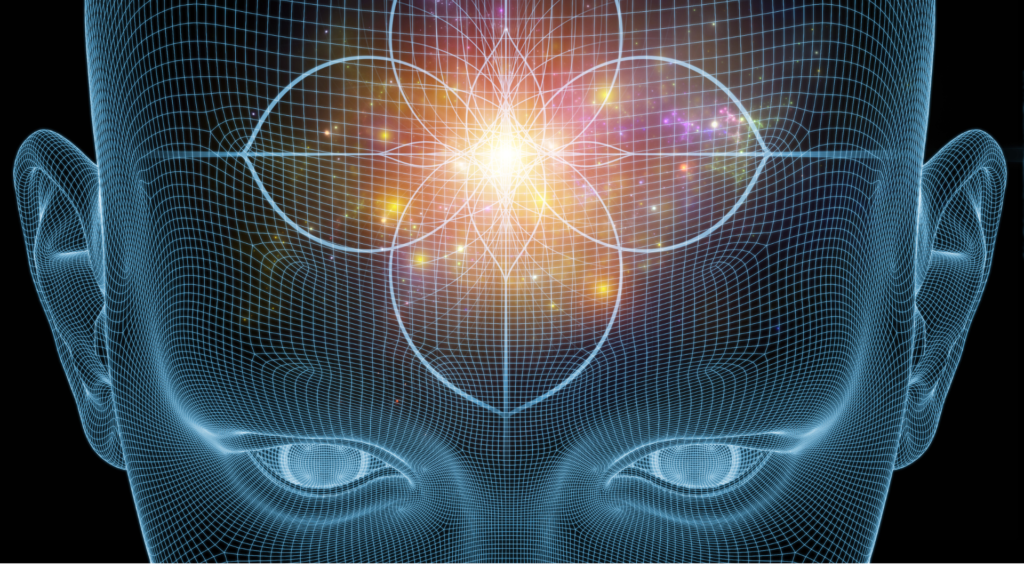
Patanjali Yoga Sutra Chapter 3 – Vibhuti pada
Patanjali Yoga Sutra Chapter 3 – Vibhuti pada First, the ability to narrow the area of brain activity is Dharana […]

Patanjali Yoga Sutra Chapter 3 – Vibhuti pada First, the ability to narrow the area of brain activity is Dharana […]
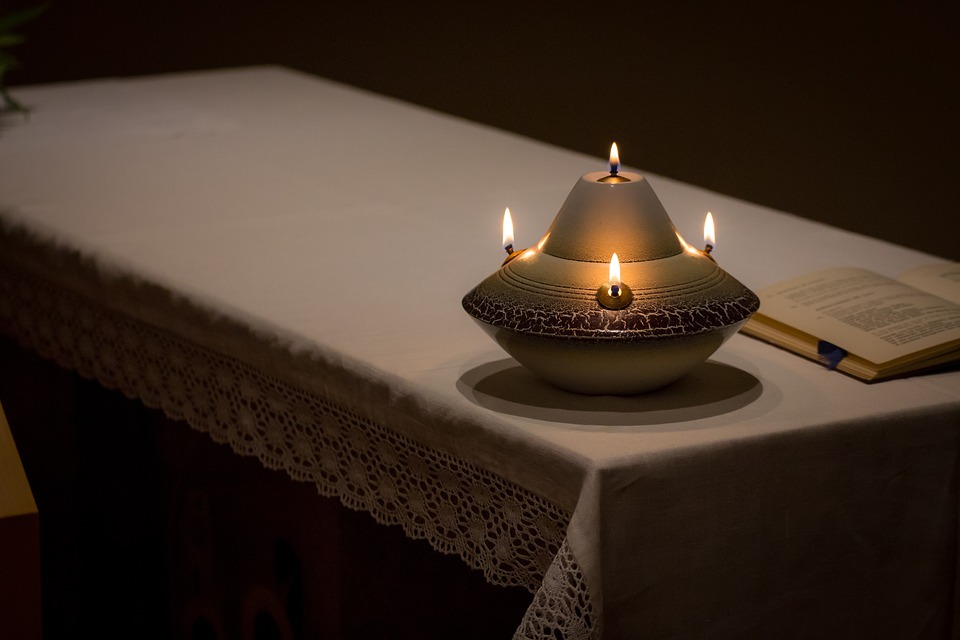
What is austerity (tapas)? What is the relationship of austerity (tapas) with niyama? How should it be practiced? What are it’s elements?
School of Yoga explains hamsasana (swan pose) Hamsasana technique: Sthithi (starting) pose: Squat in veerasana. Sit erect on the “V” of

Patanjali Yoga Sutra Chapter 4 – Kaivalya pada Siddhis (supernatural powers) may be obtained by birth, medicinal intervention/ drugs, mantras,
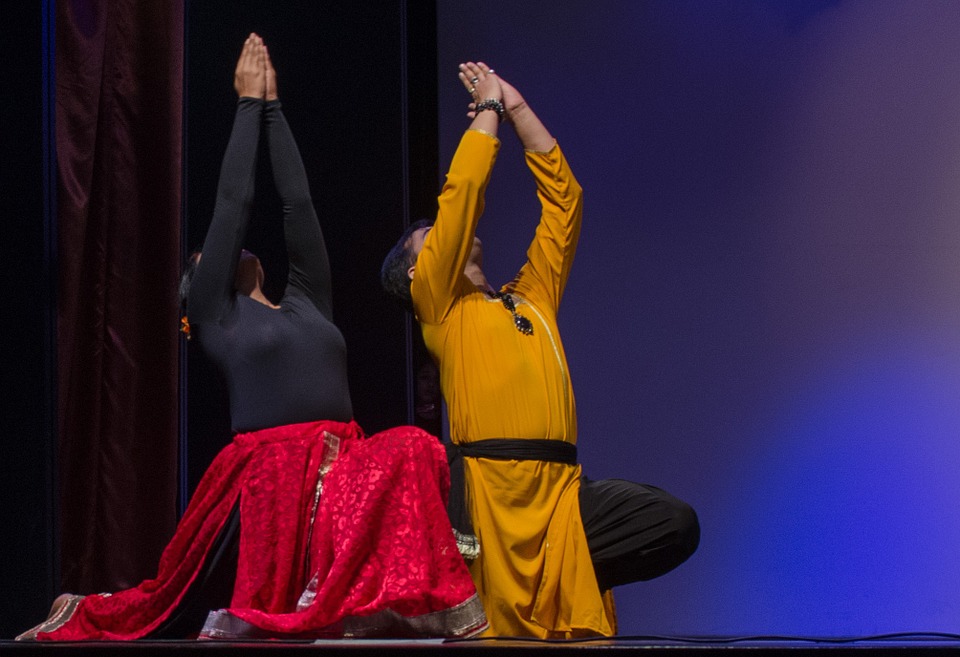
What is Dedication (śraddhā)? Why is it an important aspect of niyama? What are it’s elements? How does one practice it?
School of Yoga explains Gomukhasana (Cowface Pose) Gomukhasana technique : Sthithi (starting) position: Sit on the floor. Keep legs straight ahead and
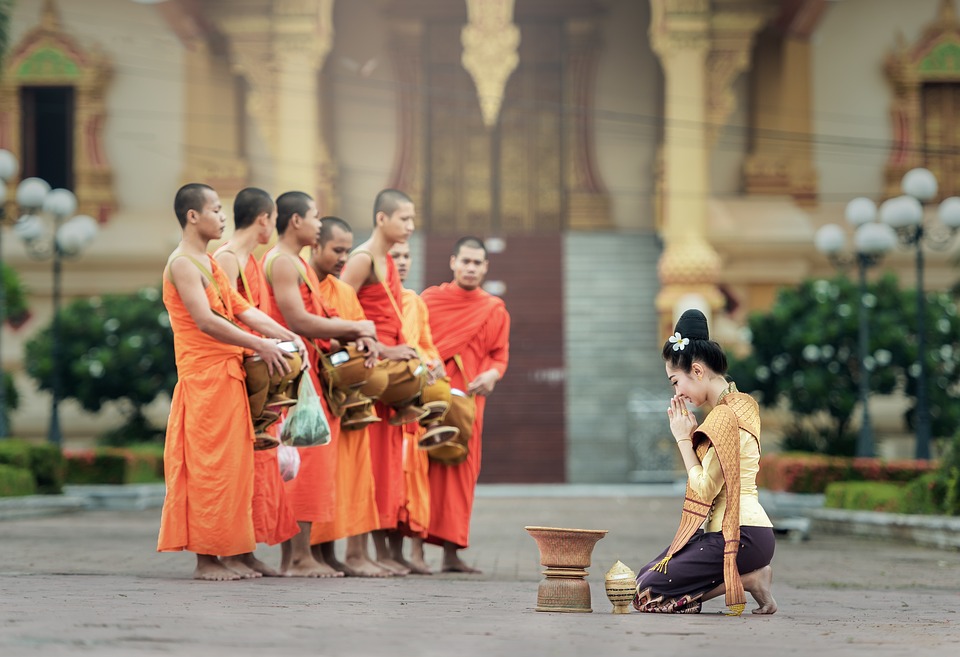
What is charity? Why is it an important element of niyama? What are the types of charity? How should chariy be performed?
School of Yoga explains Utkatasana (Chair Pose) Utkatasana technique : Sthithi (starting) position: Stand erect, legs together hands to the sides.

The theory of yama and niyama is useless if it cannot be put into daily use. So, how can we integrate yama and niyama into daily living?
School of Yoga explains Variation 1 of Veerasana- Adhomukha Veerasana (Downward facing dog virility pose) Adhomukha Veerasana technique: Sthithi (starting) position: Sit in

What is change? What is its nature? How does it impact us? Why is it so hard to manage change? How can we improve our capability?

Transformation requires synchronisation of both, our behaviour with the environment and the way we process information to be at peace.