
How to transform using yama
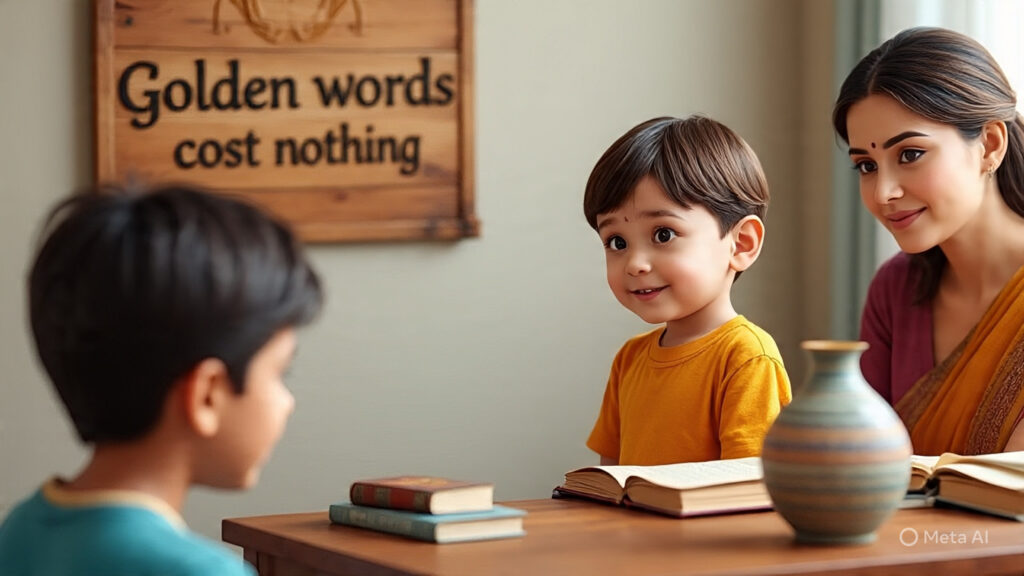
Yama is behaviour control or our ability to respond effectively to stimulus, without creating turbulence in ourselves or in others.

Yama is behaviour control or our ability to respond effectively to stimulus, without creating turbulence in ourselves or in others.
School of Yoga exlains Adho mukha shvanasana – (downward facing dog pose) Adho mukha shvanasana technique: Sthithi (starting) position: Lie down
School of Yoga exlains Mahamudra (Supreme Seal) Mahamudra technique: Sthithi (starting) position: Sit erect with legs stretched forward. Bend one leg at
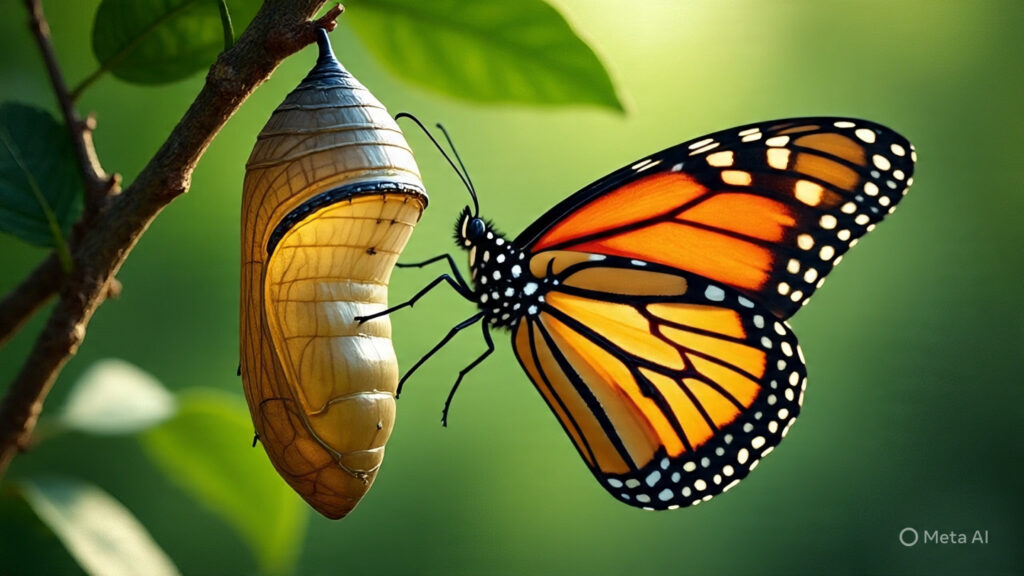
Niyama is our ability to process stimulus without creating turbulence within ourselves and be able to respond in a dispassionate manner.
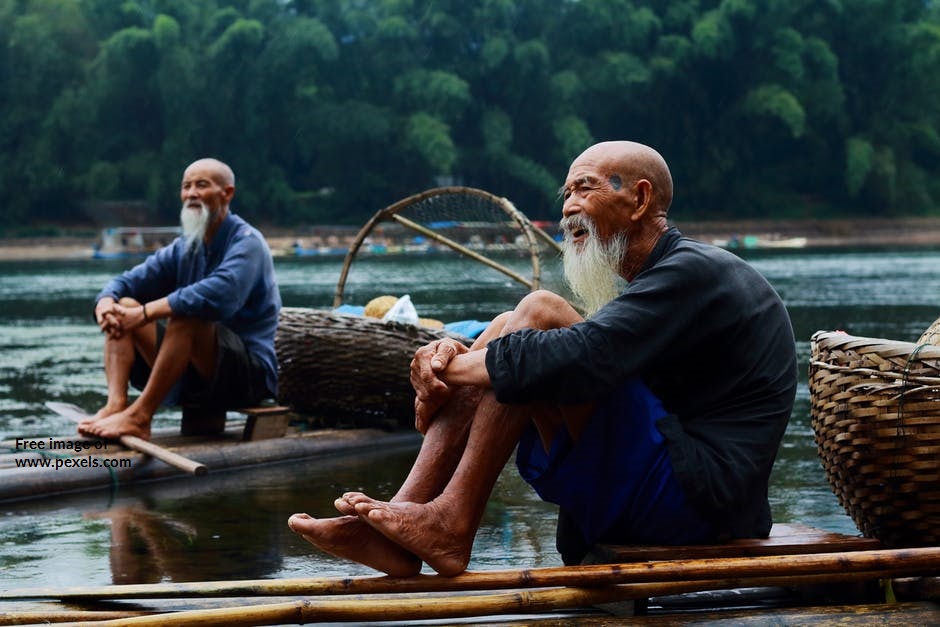
What is a lifestyle? Do we really control it? How much of our lifestyle do we actually control? How can we increase our span of control?
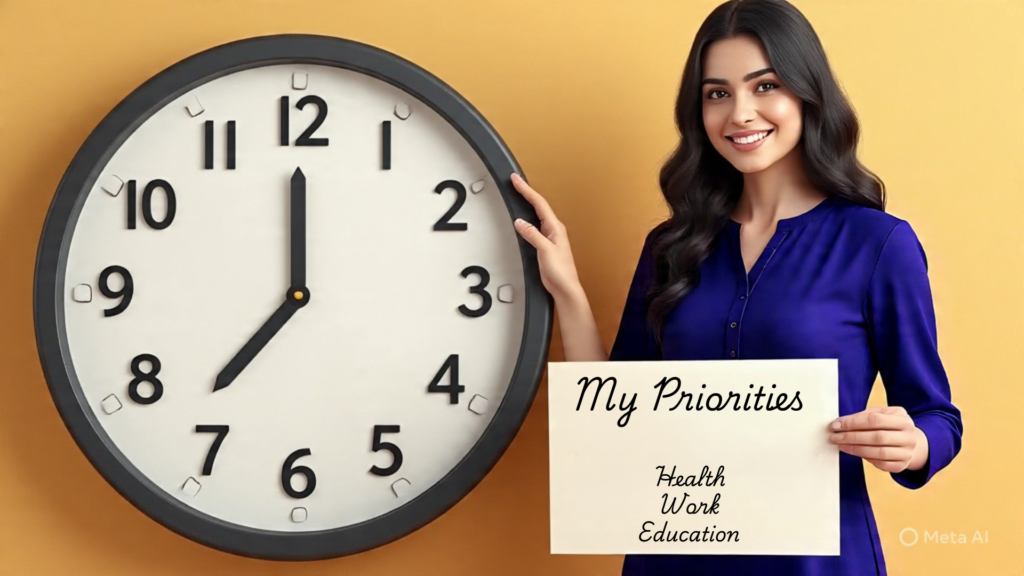
What is lifestyle management? What are the elements of lifestyle? How can we optimise our time? How should we bring balance into our lives?
School of Yoga explains Vrikshasana – Tree Pose Vrikshasana technique Sthithi (starting) position: First, stand erect with legs together. Keep hands
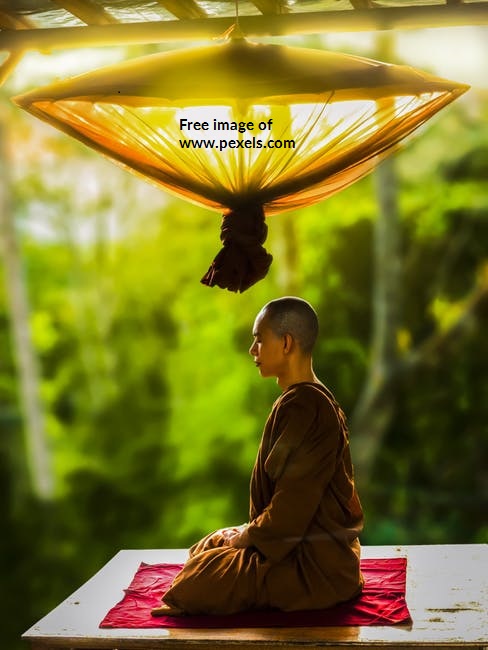
What is pratyahara? How is it integrated into raja-yoga? Why is it considered to be the transition point between kriya-yoga and samyama yoga?

How does pratyahara evolve from yama and niyama? How should one integrate yama, niyama, asana and pranayama for effectice pratyahara practice?
School of Yoga explains naukasana (Boat Pose) Naukasana technique: Sthithi (starting) position: Sit on the floor with legs stretched out ahead.
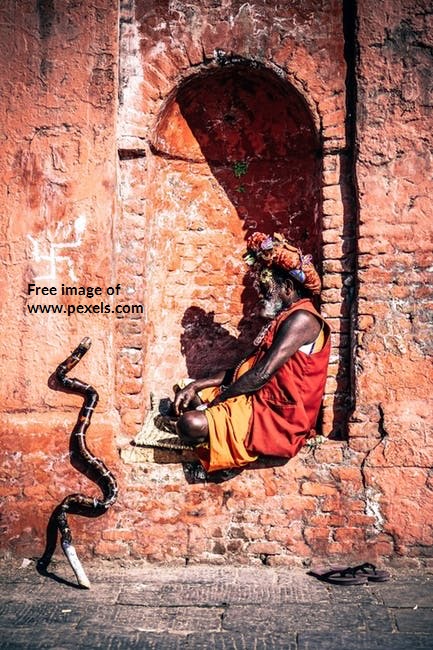
What is pratyahara? What is the meaning of withdrawal? Why is it important in Yoga? How is it done? What are the challenges?
School of Yoga explains marjariasana – cat pose Majriasana technique: Sthithi (starting position) – sit in vajrasana. Kneel upright, hands