

Self awareness, its development and Yoga
This blog explains the relationship between our sense of self-worth (asmitā), our awareness of the Self (prajñā), Yoga and the various paths of Yoga.
Yoga comes from Bhārat, so it is important to understand the underpinnings of this complex and subtle life-system.
The conceptual underpinning of Yoga are cognitive. This means that one cannot intellectualise these concepts, but look at them cognitively and viscerally.
All this means that the ancient concepts of asmitā or self-worth, dharma or natural state, karma or action that creates debt, and other concepts that are applicable to Hindus, Buddhists, Jains and Sikhs, need to be rewired and understood as a life system, not as a religion or belief system, linked to a God, as propounded by other non-Indic major World religions.
This blog explains the relationship between our sense of self-worth (asmitā), our awareness of the Self (prajñā), Yoga and the various paths of Yoga.

What is awareness of the Self (prajñā)? How is it related the Yoga? What is Yoga? What are the different branches of Yoga? These questions are addressed.

This blog covers, what is jñāna-yoga? What are the principles on which jñāna-yoga is founded? How should one practice jñāna-yoga?
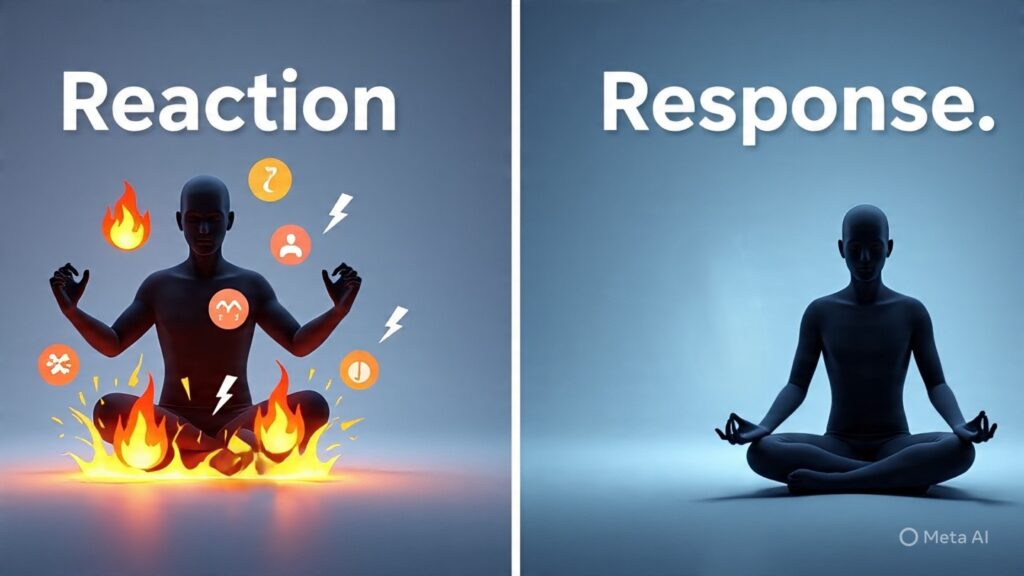
This blog covers suggestions for implementing jñāna-yoga in daily living, and how jñāna-yoga impacts our bonds and transactions.
What is bhakti-yoga? What are the elements of bhakti-yoga? How does one practice this path? What are the changes one should be aware of?
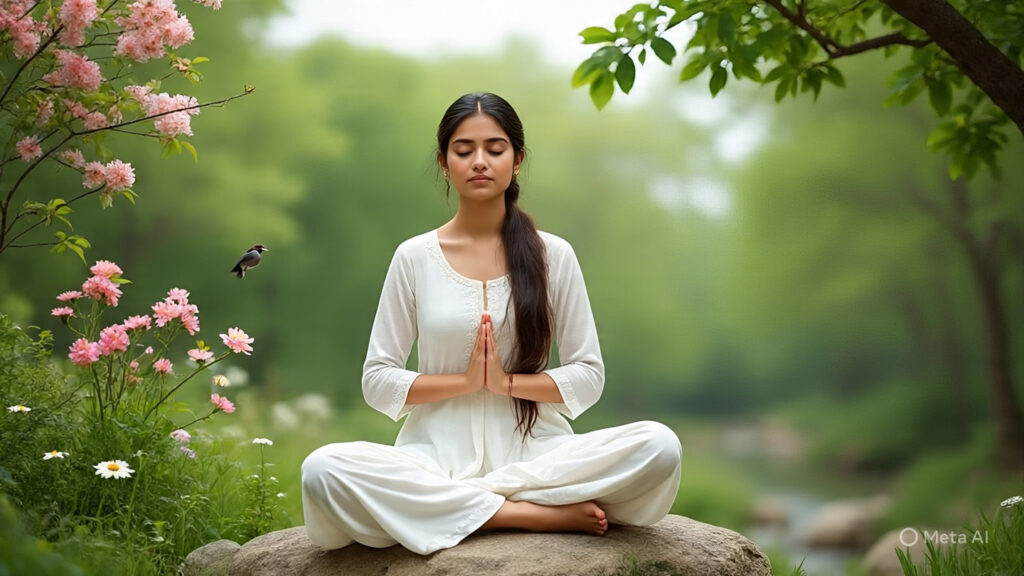
Elements of bhakti-yoga, factors that one needs to take into account, change management, losing oneself to the purpose or deity.
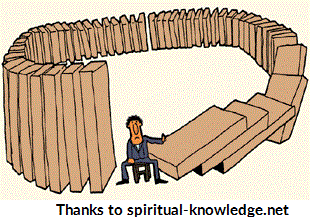
What is karma yoga? What are the characteristicss that govern it? How should a practitioner cognise and practice karma yoga?

What is free-will? Does it exist? We can define free-will as any action (karma) that is independent and not influenced by external or internal stimulus.

What is Hatha yoga? What are it’s elements? What are the benefits of practicing Hatha-yoga? What should one be careful about in it’s practice?

What is Raja yoga? What are it’s elements? What are the benefits of practicing Raja-yoga? What should one be careful about in it’s practice?

What is yama, the first step of raja-yoga? What are it’s elements? Is it relevant in today’s life? How should you practice yama?

What is ahimsa or non-violence? Is it complete abstenance of violence? If it is complete abstenance, then how does one function?