
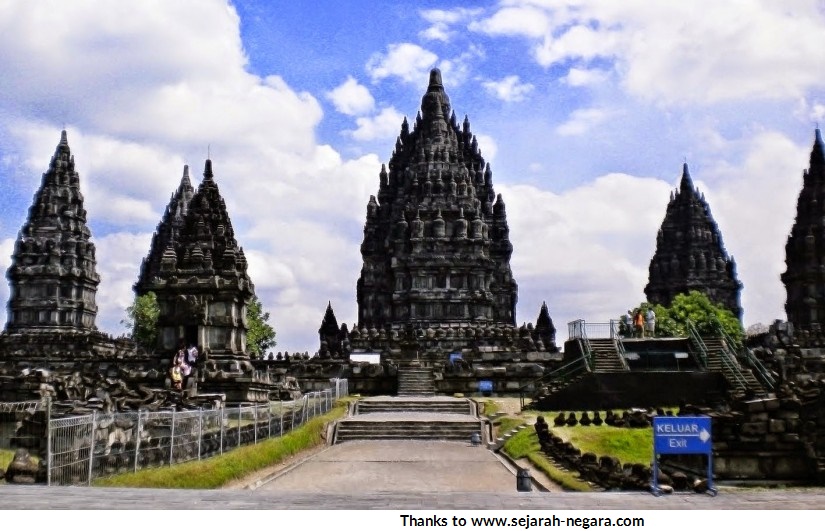
How Āgama and Purāṇa define culture
Āgamas are instructions for rituals, yoga and temple construction. Purāṇa deal with history, genealogy, and tradition, written in the form of stories.
Āgamas are instructions for rituals, yoga and temple construction. Purāṇa deal with history, genealogy, and tradition, written in the form of stories.
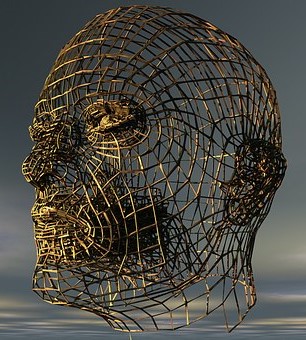
What is the relationship between our sense of self-worth, stress and situational awareness? What happens to us when we receive a stimulus?

What is the relationship between our sense of self-worth, stress and situational awareness? How do we respond to stimulus and its relationship with stress?
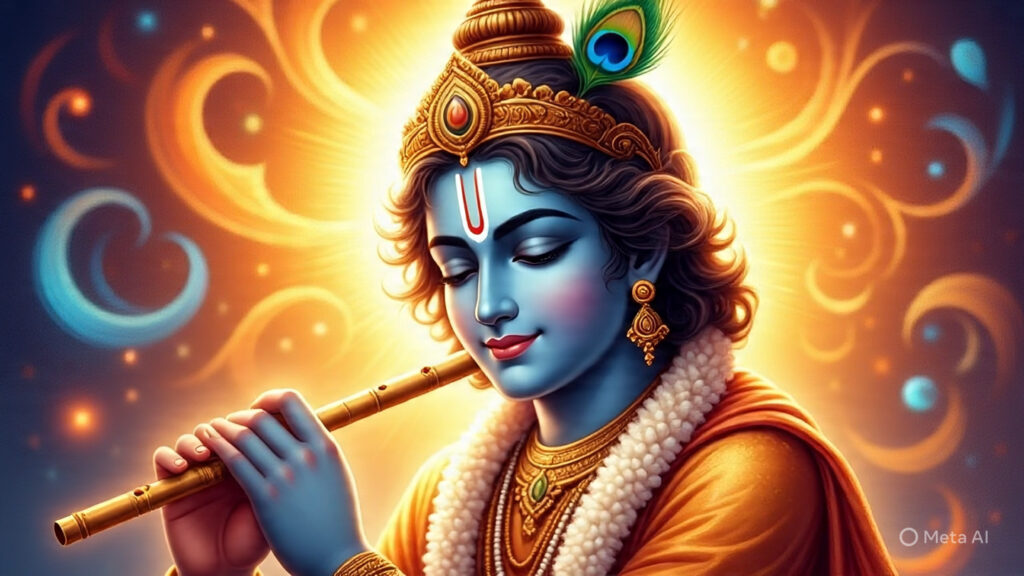
Sanatana dharma or universal harmony is the civilisational base from which all of Bharat’s (India’s) culture and thoughts and philosophy’s emerge. What is it?
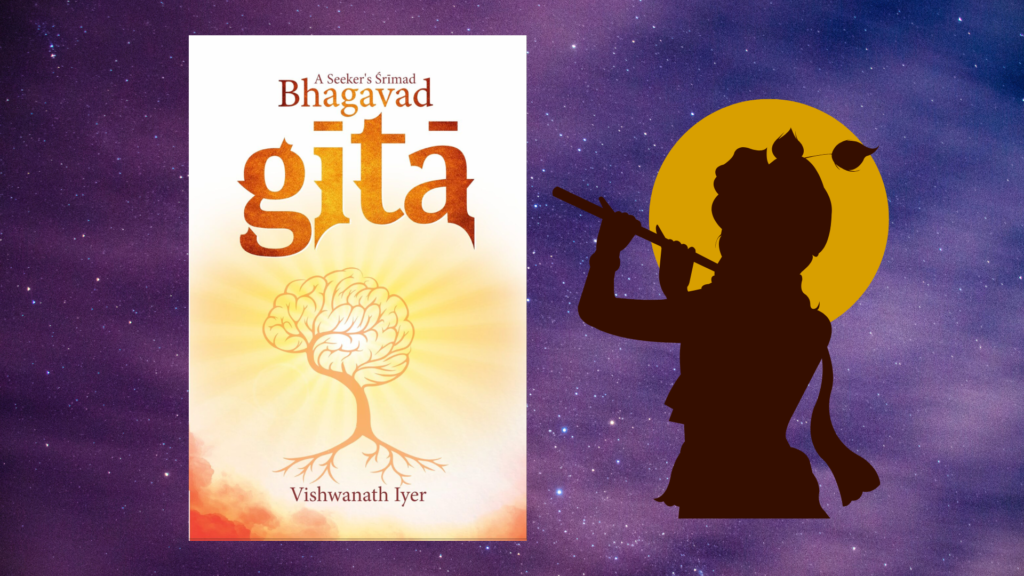
This foundational blog covers the aspects that one needs to know in order to understand the background to Śrīmad Bhagavad Gītā.
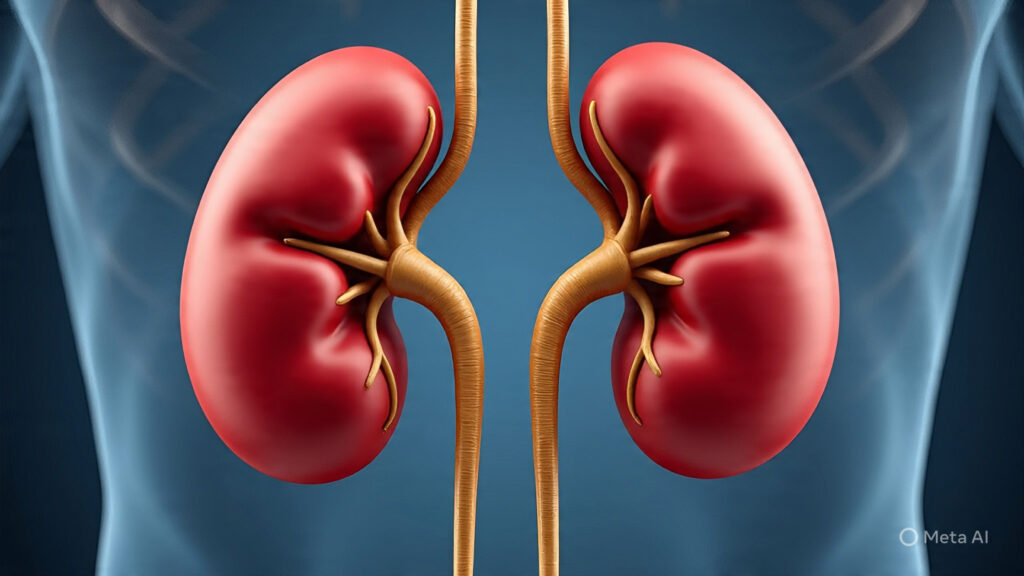
Kidneys are part of the urinary or renal system, consisting of the kidneys, ureter, urinary bladder and urethra, performing excretion and regulation functions.

Arjuna asked Śrī Kṛṣṇa to drive between the opposing armies, but when he saw his relatives in the opposing forces he lost courage and questioned himself.

What is prāṇā? How does it manifest? How does it impact our body? How can we recognise it? How does it impact our health. All this is answered here.
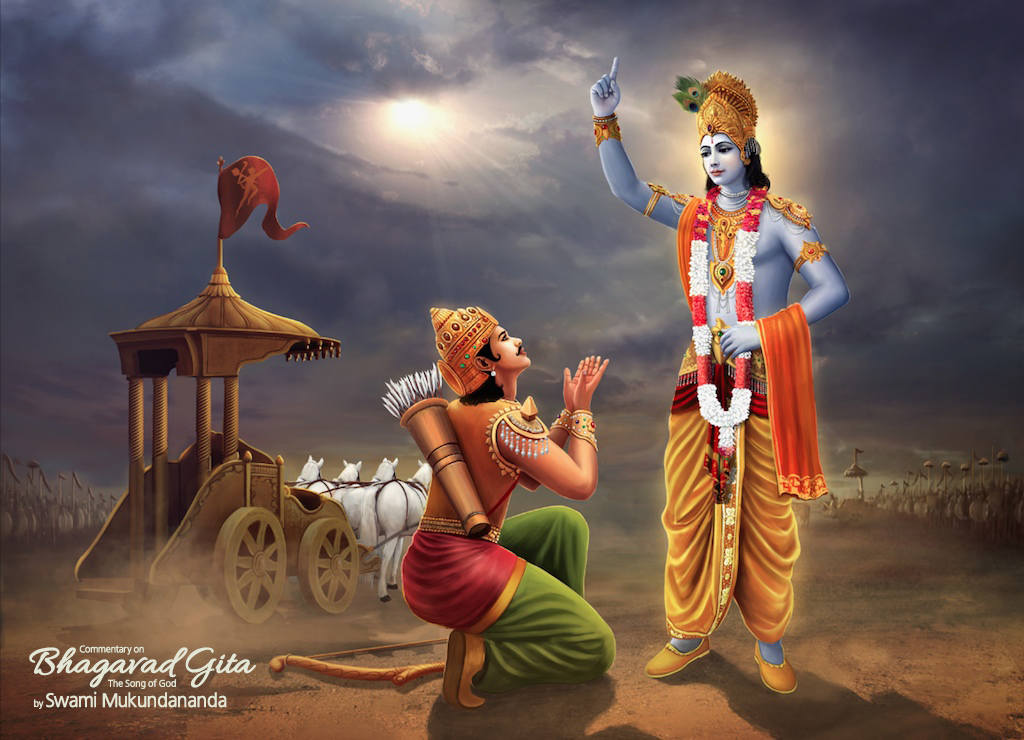
In ch2a, Śrī Kṛṣṇa explains the philosophy of life, meaning of action, why performance of duty is the only solution to any problem and situational awareness.
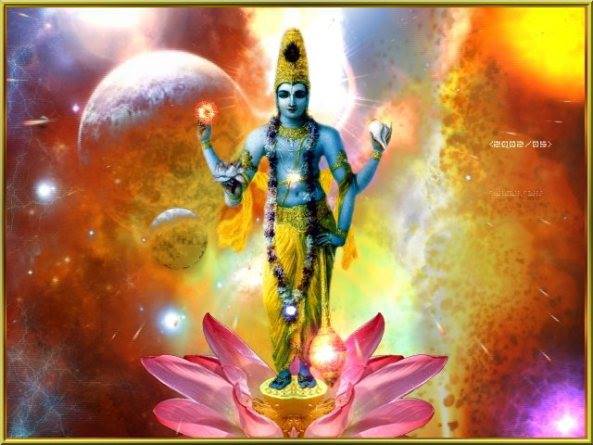
When we receive stimulus, we either react or not-react, resulting in change. Importantly, change occurs as an outcome of stimulus and response.