

Explanation of Vedānta (end of the Vedas)
Vedanta, also known as Shruti (that which is recited), forms part of the Vedas. It forms the philosophical base of much of Sanātana dharma philosophy.
Vedanta, also known as Shruti (that which is recited), forms part of the Vedas. It forms the philosophical base of much of Sanātana dharma philosophy.

Yoga therapy is a simple way of harnessing natures healing powers to increase physical and psychological health, and to remain in psychosomatic balance.

Yoga Therapy is simple and can integrate into any lifestyle. It requires no investment, a mat and normal clothes will do. All it needs is willingness to change.

Bandhana is the principle that whenever we transact with any object, it will result in a bond & relationship between us and the object we are transacting with.

Whenever we are in any situation, our behaviour and outcome is determined by how we view ourselves. This is called Self-Awareness or asmita.

Māya means illusion or farce. The concept gets its drive from the logic that everything that we see or experience in the world is temporary, hence illusionary.
Shad-darśana comprises nyāya (logic), vaiśeṣika ( nature of elements), sānkhya (union of prakriti and purusha), yoga, mīmāṃsā (rituals) and vedānta

Guṇa, also known as attributes, is the driver of our attitude in any situation. Our guṇa determines how we address and manage change.
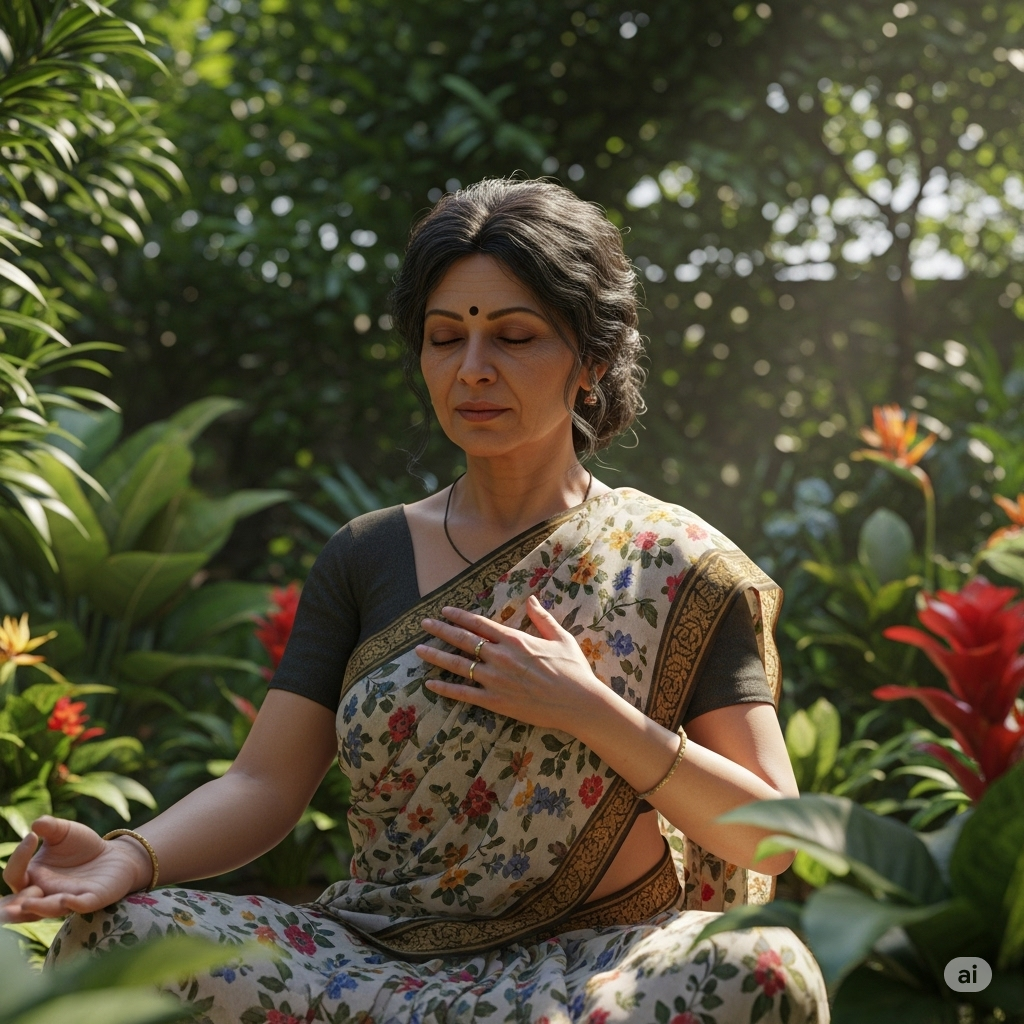
A healthy heart is critical for pumping oxygenated blood to various parts of the body and taking waste to the various organs for disposal.

Vertigo is a feeling of being off-balance, a condition where people feel that objects around them are moving, spinning or swaying even when they are static.