
Bhagavad Gita Chapter 2 – How does sankhya-yoga follow from chapter 1?

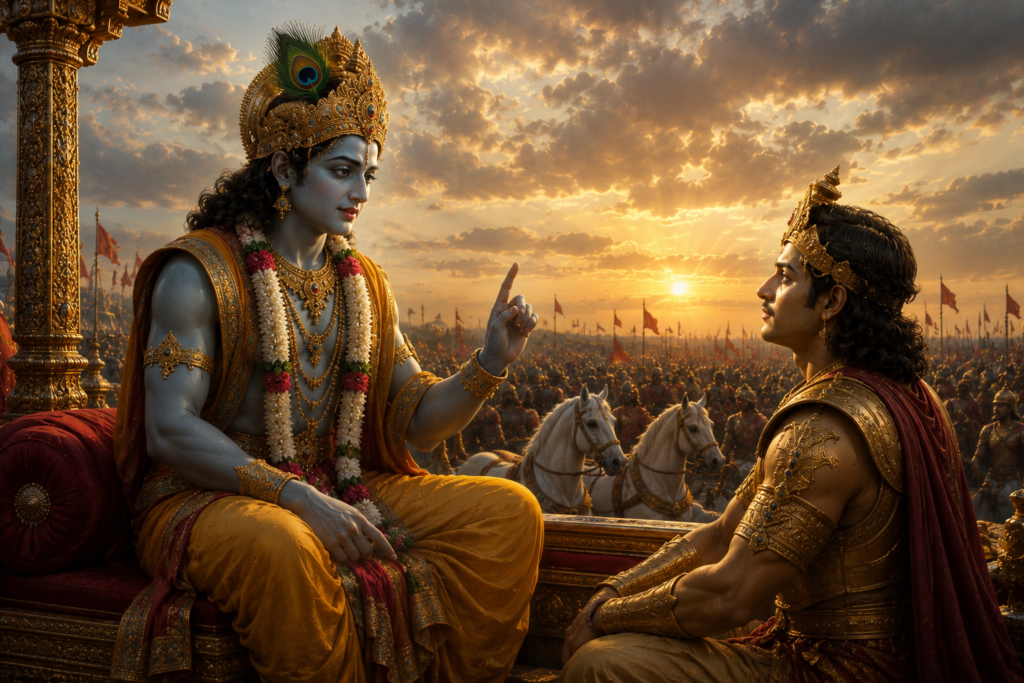
As we have seen in chapter 1, Arjuna experiences deep conflict at the futility of war, horror at the prospect of fighting his own kinsmen and he refuses to fight.
This reaction is similar to what we experience when confronted with dissonance in relationships or difficult situations! Initially, in the heat of the moment, we may wish to confront and fight but when we review the possible consequences, our desire for conflict dissipates. Consequently, we try to disengage from confrontation, sometimes even at the cost of hurting ourselves or sacrificing our values and principles.
In Bhagavad Gita Chapter 2, Shri Krishna explains the philosophy of life, starting with the origin of our existence and place in it. Then he goes on to fleshing out the meaning of action and why performance of duty is the only solution to any problem. Finally, he details the attributes of one who has optimum situational awareness.
What is sankhya-yoga? Bhagavad Gita Chapter 2
Let us look at the two words, sankhya and yoga.
- What is yoga? Yoga is a Saṃskṛta cognate of the English “yoke”. While generically, it means yoking between any two entities, here it means yoking of a person’s awareness of the Self to Brahman.
- What is sankhya? Sankhya is any philosophical system. In this chapter, Śrī Kṛṣṇa explains the philosophy that defines existence and yoga.
How does Shri Krishna explain the principle of sankhya-yoga in Bhagavad Gita Chapter 2?

Shri Krishna starts his discourse in Bhagavad Gita Chapter 2 to Arjuna by laying out the first principles of life and living called sankhya-yoga.
- First, he explains the nature of the Brahman and the difference between permanence and impermanence,
- Next, he explains life, material relationships, concept of duty and svatantra (sva = self + tantra = weave of one’s sense of Identity with one’s actions, effectively meaning individuality).
Additionally, Shri Krishna, in Bhagavad Gita Chapter 2 emphasises that,
- While each of us may have a different way of solving any problem, some aspects must not be compromised.
- Be true to your responsibility and try to avoid confrontation when finding a solution. However, if nothing works, fight!
- Obviously, fight means different things; while in the case of a soldier it means a physical struggle, in the case of a teacher it could be standing up for students or the way teaching must be done and in the case of a lawyer this may be strategy for arguing a case.
- You may not win but you must fight as well as you can and accept ensuing results with equanimity. Not fighting is not an option.
- Also, loss of integrity when finding a solution is not an acceptable option.
- Finally, once the activity is started, one must avoid judgemental and sentimental positioning as well as duality of like-dislike, attraction-repulsion, good-bad etc. and effort must be steadfast towards reaching the goal.
Conclusion of Bhagavad Gita Chapter 2:
This chapter is about change management. Change occurs continuously and everyone gets affected by it. However, a yogi must slowly learn to move away from duality such as like/ dislike or attraction/ repelling, to one of dispassion (vairagyam) and discrimination (vivekam).
The key lesson Shri Krishna delivers in Bhagavad Gita Chapter 2 is on impermanence and sentimentality. Additionally, he says that the body is an impermanent, it passes through childhood, youth, old age and entry into another body upon death. So, one should be self-possessed and not get sentimental about situations or their perceived outcomes. Instead, one must focus on completing his or her duty with integrity.
How does Shri Krishna explain the qualities of the Brahman in Bhagavad Gita Chapter 2?
- Whenever we experience anything, it is maya and not Brahman. Conversely, when we merge with the Brahman, there is no experience of materiality or maya.
- Brahman pervades everything and cannot be destroyed. It is unmanifested, unthinking and unchangeable.
- It does not slay and cannot be slain, also it is unmanifested in the beginning in all beings (unborn state), it manifests in the middle (living beings) and is unmanifested again in the end (in a state of death).
- Also, it cannot be cut or separated from anything, it does not burn, get wet or become dry (it has no material qualities and is indestructible).
- It is not born and does not die when the body departs. This dweller in the body is eternally indestructible in all creatures (it does not change).
- Finally, it is constant, everywhere, stable, immovable and universal.
Bhagavad Gita Chapter 2 conclusion – Brahman is a state of infinite, imperishable (cannot die) and immutable (cannot change) state of peace.
Importantly, Brahman is the underwriter of all creation. It is the source and motility of all mass, energy, identity and intelligence, supporting the functioning of everything. Brahman does not become involved in creation also does not acquire the property of anything that it supports.
So, what might a state that conforms to the above conditions be?
If we were to reflect a little, then the only state that can conform to all the above conditions is either the state of “null” or “infinity”, “null” being a state of nothing and “infinity” being a state beyond nothing.
Can we visualise the above state? Let us review where do our ideas, imagination and creativity come from. We will quickly realise that most ideas come when we are quiet, in a state of null or peace. Then, there is an internal vibration (spandana), followed by a eureka sensation after which the idea is born.
In yoga, awareness of this state is called jñāna or direct experience of Brahman within the person and this experience is called nirvikalpa-samādhi (uninterrupted and unchanging state of peace).
How does Shri Krishna explain permanence and impermanence in Bhagavad Gita Chapter 2?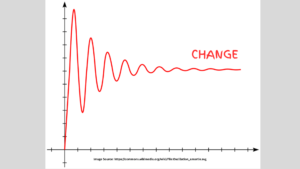
What is the difference between Brahman (permanence) and maya (impermanence)?
To answer the difference between permanence and impermanent, we need to look at change.
- We know that the only thing constant about change is change itself. So, change is the source as well as the nature of impermanence.
- Next, we know that change is personal and each of us experiences change differently.
- Also, it is very difficult for anyone to articulate any experience completely for two reasons – first, one does not always decode all aspects of any experience and second, it is not always possible to articulate the experience due to shortcomings of communication.
Do sentient entities experience karma?
- Generally, all of us assume that insentient entities have no experiences because we don’t see any evidence. However, there is no concrete evidence that they are unable to undergo experiences.
- We know that people get attached to their personal possessions such as cars, homes, clothes, ornaments, furniture such as couches and even utensils such as mugs, some more than others. How would this differential attachment be possible if the other entity did not have an identity or soul that allowed it to radiate some kind of personality? If that is acceptable, then just as humans experience grief when parting with a possession, might not insentient entities experience grief also?
- Psychologists are able to decode sentient experiences only in a generic manner unless they get specific data inputs from their patients. When trained professional have difficulty in accurately decoding experiences, it is logical to assume that understanding insentient entities, who have no capability to communicate would be more difficult.
- All prayers are the same, there is no evidence that one type of prayer is superior to another. The quality of outcome of any prayer depends on the prayer. So, whether one prays to an Idol, Cross or Kaaba, the results would entirely depend on the person praying. But, have we ever reflected, what happens to the above religious entities to whom millions of people pray? What might happen their experience be?
Conclusion in Bhagavad Gita Chapter 2 on sentience
- Hence, we can conclude that both sentient and insentient entities experience but in the case of insentient entities, experientiality (ability to express experience in a manner that can be understood) is more suppressed and diffused, consequently difficult for sentient entities to experience or understand.
- In contrast, sentient entities starkly experience duality such as heat-cold, pleasure-pain because they have a sensory system that allows them to relate to their environment.
- We can also conclude that sentient and insentient entities or souls will experience change differently. This is on account of conditioning (dharma) and current state awareness (prajna).
- However, all experiences, due to the very nature of change, have a beginning and an end, which makes them transient, or impermanent. This is maya (illusion or farce).
- By understanding the nature of impermanence one can transcend it (maya) and merge with the state of permanence/ Truth or This results in liberation from rebirth (moksha).
So, we can conclude in Bhagavad Gita Chapter 2 that everything which we perceive in the world around us is impermanent because of three reasons:
- First, it has a beginning and an end.
- Second, it is perceived by the senses which give different measurements for different sentient and insentient beings at different times and in different states of awareness.
- Change occurs continuously. Since by its nature, no stimulus-response cycle is predictable, change itself is not predictable or permanent. This results in randomness and instability being intrinsic to all transaction and this is also called entropy in thermodynamics.
The Transliteration of Srimad Bhagavad Gita Chapter 2 (verses 1-30) follows:
The Sanskrit words are in red italics and meaning, before the words, are in black.
Sañjaya said (1) Madhusūdana said this to him, who was overcome with pity, despondent, and whose eyes were filled with tears (taṃ tathā kṛpayāviṣṭ amaśrupūrṇākulekṣaṇam । viṣīdantamidaṃ vākyamuvāca madhusūdanaḥ ॥ 2-1॥)
Śrī Kṛṣṇa said in Bhagavad Gita Chapter 2 (2-3) How did this dejection which brings you to this perilous state that makes you un-aryan like, unfit for heaven and disgraceful (kutastvā kaśmalamidaṃ viṣame samupasthitam । anāryajuṣṭ amasvargyamakīrtikaramarjuna ॥ 2-2॥). Do not become impotent, it is not fitting in you, discard weakness of the heart, stand up and fight (klaibyaṃ mā sma gamaḥ pārtha naitattvayyupapadyate । kṣudraṃ hṛdayadaurbalyaṃ tyaktvottiṣṭ ha parantapa ॥ 2-3॥).
Arjuna said (4-6) How can I do battle with arrows at Bhīṣma and Droṇa, they that are fit to be worshipped (kathaṃ bhīṣmamahaṃ saṅkhye droṇaṃ ca madhusūdana । iṣubhiḥ pratiyotsyāmi pūjārhāvarisūdana ॥ 2-4॥). Instead of slaying these greatly experienced gurus, it is better to eat alms. Indeed, how can I enjoy wealth and desires in this world when I am stained with their blood (gurūnahatvā hi mahānubhāvān śreyo bhoktuṃ bhaikṣyamapīha loke । hatvārthakāmāṃstu gurūnihaiva bhuñjīya bhogān rudhirapradigdhān ॥ 2-5॥). I am unable to know which is better, whether we conquer them or they conquer us, whether we would wish to live after slaying the sons of Dhṛtaraṣṭra (na caitadvidmaḥ kataranno garīyo yadvā jayema yadi vā no jayeyuḥ । yāneva hatvā na jijīviṣāma- ste’vasthitāḥ pramukhe dhārtarāṣṭ rāḥ ॥ 2-6॥).
(7-8) With natural instinct overcome by pity I as you about dharma with a confused mind, what is good for me. As your pupil, I take refuge in you, teach me (kārpaṇyadoṣopahatasvabhāvaḥ pṛcchāmi tvāṃ dharmasammūḍhacetāḥ । yacchreyaḥ syānniścitaṃ brūhi tanme śiṣyaste’haṃ śādhi māṃ tvāṃ prapannam ॥ 2-7॥). Nothing I see is able to remove my grief, my senses are clogged up, even obtaining unrivalled prosperity on Earth or even dominion over the deities (na hi prapaśyāmi mamāpanudyād yacchokamucchoṣaṇamindriyāṇām । avāpya bhūmāvasapatnamṛddhaṃ rājyaṃ surāṇāmapi cādhipatyam ॥ 2-8॥).
Sañjaya spoke (9-10) Having thus spoken to Hṛṣīkeśa, Guḍākeśa, the destroyer of foes, said I will not fight Govinda and became silent (evamuktvā hṛṣ īkeśaṃ guḍākeśaḥ parantapa । na yotsya iti govindamuktvā tūṣṇ īṃ babhūva ha ॥ 2-9॥). Hṛṣīkeśa smilingly said this to Bhārata, who was despondent in the middle of the two armies (tamuvāca hṛṣ īkeśaḥ prahasanniva bhārata । senayorubhayormadhye viṣīdantamidaṃ vacaḥ ॥ 2-10॥).
Śrī Kṛṣṇa said in Bhagavad Gita Chapter 2 (11-13) You grieve for those that should not be grieved, the wise do not grieve for the dead and living (aśocyānanvaśocastvaṃ prajñāvādāṃśca bhāṣase । gatāsūnagatāsūṃśca nānuśocanti paṇḍitāḥ ॥ 2-11॥). Not I or even you nor any of the rulers of men also existed at any time, nor shall anyone in the future (na tvevāhaṃ jātu nāsaṃ na tvaṃ neme janādhipāḥ । na caiva na bhaviṣyāmaḥ sarve vayamataḥ param ॥ 2-12॥). The embodied in this body passes through childhood, youth, old age, and entry into another body, the self-possessed do not get bewildered (dehino’sminyathā dehe kaumāraṃ yauvanaṃ jarā । tathā dehāntaraprāptirdhīrastatra na muhyati ॥ 2-13॥).
(14-15) Indeed, outward cognition results in cold/heat, pleasure/pain, which enter, their stay is impermanent, be patient (mātrāsparśāstu kaunteya śītoṣṇ asukhaduḥkhadāḥ । āgamāpāyino’nityāstāṃstitikṣasva bhārata ॥ 2-14॥). The man who is not anguished is a champion among men, he who is firm and equal in pain and pleasure is fit for immortality (yaṃ hi na vyathayantyete puruṣaṃ puruṣarṣabha । samaduḥkhasukhaṃ dhīraṃ so’mṛtatvāya kalpate ॥ 2-15॥).
(16-17) It does not exist in cognition of experience; no experience is cognized in this state of merger. Also, inside of these two states have indeed been seen by knowers of this state (nāsato vidyate bhāvo nābhāvo vidyate sataḥ । ubhayorapi dṛṣṭ o’ntastvanayostattvadarśibhiḥ ॥ 2-16॥). Cognize that indestructible indeed is that which pervades everything. Destruction of the imperishable is not something anyone can do (avināśi tu tadviddhi yena sarvamidaṃ tatam । vināśamavyayasyāsya na kaścitkartumarhati ॥ 2-17॥).
(18-20) These bodies have an end, but the everlasting is said to be embodied as indestructible and immeasurable, so fight (antavanta ime dehā nityasyoktāḥ śarīriṇaḥ । anāśino’prameyasya tasmādyudhyasva bhārata ॥ 2-18॥). He who thinks that he is the slayer, he who cognizes that something is slain, both do not know that this does not slay nor is it slain (ya enaṃ vetti hantāraṃ yaścainaṃ manyate hatam । ubhau tau na vijānīto nāyaṃ hanti na hanyate ॥ 2-19॥). It is neither born nor does it die anytime; it is not present now or later in the future or in that which is occurring. It is unborn, eternal, and changeless, this ancient is not killed when the body is being killed. (na jāyate mriyate vā kadācin nāyaṃ bhūtvā bhavitā vā na bhūyaḥ । ajo nityaḥ śāśvato’yaṃ purāṇo na hanyate hanyamāne śarīre ॥ 2-20॥).
(21-22) He who cognizes this to be indestructible, unborn, infinite, to exist everywhere, how can that person cause slaying or slay (vedāvināśinaṃ nityaṃ ya enamajamavyayam । kathaṃ sa puruṣaḥ pārtha kaṃ ghātayati hanti kam ॥ 2-21॥). Just as worn-out clothes are cast away and new additional ones taken by man, similarly, bodies are cast off after they are used up and other new bodies entered (vāsāṃsi jīrṇāni yathā vihāya navāni gṛhṇāti naro’parāṇi । tathā śarīrāṇi vihāya jīrṇā- nyanyāni saṃyāti navāni dehī ॥ 2-22॥).
(23-25) This cannot be cut with weapons; this does not burn in fire, and this does not get wet in water and does not get dry in the wind (nainaṃ chindanti śastrāṇi nainaṃ dahati pāvakaḥ । na cainaṃ kledayantyāpo na śoṣayati mārutaḥ ॥ 2-23॥). This cannot be cut, this cannot be burnt, this cannot be wetted or dried and also constant, everywhere, stable, immovable, this universal (acchedyo’yamadāhyo’yamakledyo’śoṣya eva ca । nityaḥ sarvagataḥ sthāṇuracalo’yaṃ sanātanaḥ ॥ 2-24॥). This is unmanifested, this is unthinking, this is unchangeable, this is therefore knowing this, one ought not to lament (avyakto’yamacintyo’yamavikāryo’yamucyate । tasmādevaṃ viditvainaṃ nānuśocitumarhasi ॥ 2-25॥).
(26-28) Now, if you think that this is constantly being born or constantly dying, even then you must not grieve (atha cainaṃ nityajātaṃ nityaṃ vā manyase mṛtam । tathāpi tvaṃ mahābāho naivaṃ śocitumarhasi ॥ 2-26॥). For those that are born, death is certain, definitely there is birth for those that die, this is inevitable in matter, you should not grieve (jātasya hi dhruvo mṛtyurdhruvaṃ janma mṛtasya ca । tasmādaparihārye’rthe na tvaṃ śocitumarhasi ॥ 2-27॥). Unmanifested in the beginning are beings, manifested in the middle, unmanifested again in the end, so what is there to lament (avyaktādīni bhūtāni vyaktamadhyāni bhārata । avyaktanidhanānyeva tatra kā paridevanā ॥ 2-28॥).
(29-30) In wonder one sees this, in wonder one speaks of also, many wonders one hears of this, after hearing this is not known to anyone at all (āścaryavatpaśyati kaścidenamāścaryavadvadati tathaiva cānyaḥ । āścaryavaccainamanyaḥ śa ṛṇ oti śrutvāpyenaṃ veda na caiva kaścit ॥ 2-29॥). This in-dweller in the body is eternally indestructible in all creatures; therefore, you should not grieve for anyone (dehī nityamavadhyo’yaṃ dehe sarvasya bhārata । tasmātsarvāṇi bhūtāni na tvaṃ śocitumarhasi ॥ 2-30॥).
For more on Bhagavad Gita chapter 2, click here
The complete text is available in my book, A Seeker’s Śrīmad-Bhagavadgītā. Buy your copy today – Notion Press home / Flipkart / Amazon / Amazon India / Amazon UK / Amazon US / Amazon Australia

Acknowledgement.
School of Yoga is profoundly grateful to Saṃskṛta scholars and academics Pijus Kanti Pal (pal.pijuskanti@gmail.com) and Dolon Chanpa Mondal for their support in Saṃskṛta transliteration and quality control.

excellent eXplaination and good insight
Thank you for your support