School of Yoga explains Srimad-bhagavad-gita, chapter 17 – shraddha traya-vibhaga-yoga (yoga delineating the three types of shraddha).
What is shraddha?
Shraddha is the quality of dedication, sincerity, steadfastness and desire for perfection that a person exhibits when performing any action (karma). Also, Shri Krishna clarifies that shraddha is the ability to focus on the task at hand with all attention, without worrying excessively about the outcome of the sacrifice.
Another critical aspect of shraddha that Shri Krishna clarifies, is that capability or quality of outcome are not key drivers in any activity. It is shraddha that matters. Hence, Shri Krishna delinks quality of outcome from quality of input, clearly asserting the ascendancy of effort over outcome.
School of Yoga explains Srimad-bhagavad-gita, chapter 17, verse (1-15) shraddha traya-vibhaga-yoga (yoga delineating the three types of shraddha).
What is the relationship between attributes (guna), sacrifice (yajna) and shraddha?

Arjuna said: What is the nature of those that do not follow the scriptures, but perform sacrifice with devotion and sincerity? Is it sattvika, rajasika or tamasika? The devotion and sincerity of any person is determined by his innate nature (svabhava – sva = self + bhava = expression), which could be sattvika, rajasika or tamasika.
- Sattvika people worship the divine, rajasika people worship the greedy (yaksha and rakshasa) and tamasika people worship decadence (pretas or spirits and hosts of the bhutas).
- Those that practice extreme austerities not authorised by scripture, are attached to hypocrisy and feeling of doer-ship, lust and ownership. So, when people subject themselves to unauthorised austerities, they punish not just themselves, but the divine that resides therein.
- Sattvika people maintain a balanced diet which increases vitality, strength, health, joy and cheerfulness; one which is full of taste, having a marrow, substantial and agreeable.

- Rajasika people prefer food which is bitter, sour, saline, pungent, dry and acrid.
- Tamasika people like stale, tasteless, stinking, cooked overnight, refuse and impure.
- When performing a sacrifice sattvika people desire no fruit and perform the yajna for its sake only; however, rajasika people perform yajna for selfish reason and reward; finally, yajna where there is no discipline, sincerity or sharing is tamasika.
- Ideal persons are those who worship the divine, twice born, teachers, and those with awareness (prajna). Also, these people are upright, practice continence and non-injury to themselves and others. This is the highest possible austerity or self-restraint (tapas).
- Also, their way of speaking is calm and causes no excitement, are truthful, pleasant, seeking win-win, constantly practicing self-improvement (svadhyaya-abhyasanam) and controlled speech.
School of Yoga explains Srimad-bhagavad-gita, chapter 17 shraddha traya-vibhaga-yoga (yoga delineating the three types of shraddha).
What is Svabhava (personality traits).
 When we meet someone, we either like or dislike the person.
- If there is congruence between atmas (souls), purusha (experiencer) pulls the object towards itself because it wants continued engagement (raga). If there is dissonance, purusha pushes the object away to avoid discomfort (dvesha). This results in a give-take movement or a transaction, which is karma (action).
- But, how do we decide that we like or dislike the object? What is the standard by which we compare stimulus from any object?
- We compare the behaviour of the other person (svabhava – sva = self + bhava = expression) with our svadharma (sva = self + dharma = natural state) to decide our position of like or dislike.
- Dharma is our natural state, where we experience a sense of peace. This state occurs when the proportion of the three guna’s (tamas = delusion / rajas = passion / sattva = harmony) reside harmoniously within our self-worth (asmita).
- When fresh stimulus comes in through the senses (indriyas), it is collated by the centre of cognition (manas) and compared with svadharma (our personal natural state). This changes purusha (experiencer) which expands in happiness or contracts in anxiety and fear. Consequently, this disturbs the guna proportion and balance.
- So, our behaviour (svabhava) emerges from our conditioning (svadharma). We behave in our own very unique manner because of our natural state which conditions our responses to stimulii.
School of Yoga explains Śrīmad-bhagavad-gītā, chapter 17 shraddha traya-vibhaga-yoga (yoga delineating the three types of shraddha).
What is the underlying principle driving svadharma and svabhava in the human body.
- The human body consists of many sub-systems such as the circulatory system, digestive system, musculo-skeletal system etc. Also, each of these systems are unique and have specific characteristics and functions with are independent of other systems, but related with each other.
- Next, within each system are specific organs which have specific functions, such as the heart, lungs, stomach, liver etc. These are also independent and their function cannot be interchanged.
- Also, each of these systems and entities have their own operational range and they operate best within this range. This is called homeostasis or dharma (natural state).
- Hence, each of these systems as well as organs can be considered as an independent entity functioning within a macro-system, the human body which has its own natural state.
- Since each of these systems and organs is unique, each has a unique identity (purusha), which functions in a specific manner (prakriti) and responds to stimulus in a particular manner indicating that each has an independent soul (atman) which is driven by the availability of a consciousness (citta) and has a unique
- There is movement of nutrients in and out of the body and this brings prana (motility), the result of a weave of purusha and prakriti.
- Since each of these entities such as heart, lungs etc have a Soul (atman), it stands to reason that these organs get diseased and die on account of fulfilment of debt (rinn) with the body.
- One can force continuation of functioning by use of medicines, but there comes a point when even this is exhausted and the system fails. There is no other logical explanation for ageing.
School of Yoga explains Śrīmad-bhagavad-gītā, chapter 17 shraddha traya-vibhaga-yoga (yoga delineating the three types of shraddha).
Is there a way in which we can act without creating karma?
Of course! that is the essence of Srimad-bhagavad-gita and everything Shri Krishna is trying to say. Let us look at karma from first principles.
- Karma occurs on account of purusha/ Shiva experiencing existential anxiety (do I exist? How do I prove that I exist?).
- So, purusha/ Shiva establishes a bond with another purusha/ Shiva to confirm and ensure confirmation of existence.
- However, since the awareness of each of the two entities is different, there is an awareness imbalance which results in congruence/ lack of congruence between the two entities.
- Consequently, the two entities experience like (raga) or dislike (dvesha) of each other, and this results in an unbalanced give-take relationship and debt (rinn) which becomes prarabdha-karma.
- This debt which comes as prarabdha-karma has to be liquidated. This is why we have samsara or the cycle of birth and death, to enable debt to be liquidated.
- This means that, for as long as purusha/ Shiva experiences existential anxiety, this cycle will continue.
- For this cycle to be disrupted, the existential anxiety of identity of purusha/ Shiva’s needs to be nullified.
- When this happens, purusha/ Shiva experiences no existential anxiety, therefore, even when prarabdha-karma or debt is being liquidated, purusha/ Shiva continue to act in the situation but do not experience existential anxiety, so do not accumulate fresh debt (rinn).
- For purusha/ Shiva to stop experiencing existential anxiety, they must first become aware of their existence and Identity (prajna).
- Then, purusha/ Shiva must slowly increase their control over response in a way that reduces and finally eliminates all evidence of identity, after existential anxiety exists because the identity is experience. Eliminate the identity and the experience will go away as well.
- This effort is free-will (sankalpa) and also the crux of Shri Krishna’s message throughout Srimad-bhagavad-gita.
School of Yoga explains Srimad-bhagavad-gita, chapter 17 shraddha traya-vibhaga-yoga (yoga delineating the three types of shraddha).
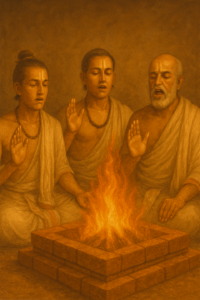
How can we avoid creation of karma when acting?
- First, do not react. Do not give in to impulse. That is your svabhava. Stop! take a deep breath and allow the urge to react to pass.
- Recognise the temporary nature of all situations. This is vivekam (ability to discriminate temporary from permanent / value and loss of value).
- Next, view the situation dispassionately. This capability is called vairagyam.
- Then, think win-win. Negotiate with shraddha and vairagyam. Avoid dualities such as like-dislike, good-bad, right-wrong etc.
- Sacrifice without expecting credit. Practice sama-drishti (equal sightedness – treating everything equally and without bias).
School of Yoga explains Srimad-bhagavad-gita, chapter 17, verse (16-28) shraddha traya-vibhaga-yoga (yoga delineating the three types of shraddha).
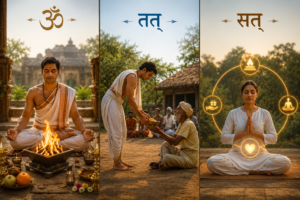
What is the relationship between austerity (tapas), sacrifice (yajna) and shraddha.
- Serenity of mind, gentleness, silence, self-control and purity of disposition is cognitive austerity. Thus, the above austerity when practiced with no desire for fruit is called sattvika.
- Next, austerity which is ostentatious and practiced with the intent of gaining respect, honour or reverence is called rajasika.
- Lastly, austerity practiced with foolish and obstinate intentions, with torture to the self or another is tamasika.
- A gift given with the pure intent of giving, with a feeling that it is a duty to give, given at the right time, place and to the right person is sattvika; however, a gift given grudgingly and with a view of return is rajasika; a gift given at the wrong time or place, without respect or with insult is tamasika.
- However, no matter what the sacrifice, if a person were to utter “om-tat-sat”, meaning that all actions reside in the reality of Brahman and perform the sacrifice with shraddha, that would be a complete sacrifice.
What are the three types of shraddha or dedication (shraddha-traya-vibhaga).
- Shri Krishna says that a person’s behaviour is influenced by his innate nature or personality trait (svabhava).
- This innate nature is a combination shraddha (sincerity, dedication, patience and focus) and yajna (their sacrifice for the cause). Yajna is possible only when a person has the ability control yearning (tapas), hence this is an important yardstick.
- Shri Krishna delineates shraddha, tapas and yajna by guna (attributes). Importantly, the guna mix changes continuously depending on our insecurities, desires and delusion. Hence, qualities given below are based on the guṇa that is predominant.
- It’s important to realise guna is a manifestation of purusha (identity or experiencer) as prakriti.
- Both prakriti and purusha weave with each other, without purusha there is no prakriti and without prakriti, purusha cannot manifest or experience.
School of Yoga explains Srimad-bhagavad-gita, chapter 17, verse (16-28) shraddha traya-vibhaga-yoga (yoga delineating the three types of shraddha).
What are the qualities of shraddha, yajna and tapas of people with different gunas?
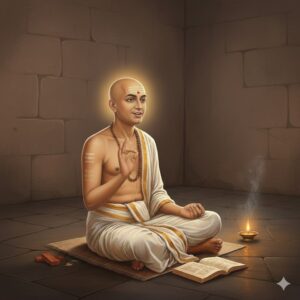
Sattvika people.
- Generally, sattvika people are matured and don’t feel the need to prove themselves.
- A sattvika person likes the company of people who are honest, level headed, calm, forgiving, solution seeking and peaceful.
- Sattvika people generally prefer the company of teachers, wise, learned and level headed people.
- When performing any activity, they do it without selfish intent, they do it because it is right. They are straight-forward, honest, diplomatic and seek a win-win solution.
- Sattvika people exhibit enormous self-restraint and give without expectation of return. They speak in a calm manner and do not excite others.
- Also, they generally prefer fresh food and eat moderately.
Rajasika and tamasika people.
-
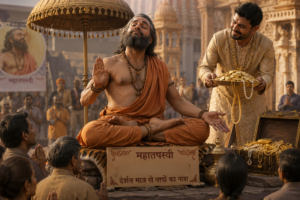
Rajasika hypocrisy Generally, rajasika people are passionate, ambitious, aggressive and enjoy power. These are people who are constantly updating their resume, discussing office politics 24×7, playing up to the boss, sensitive to power equations etc. Typically, they are Type A personalities.
- They like the company of passionate people and always seek to win in any negotiation. Also, they love the spotlight and will try to ensure that they get credit for anything they do.
- Rajasika people can go into extremes when they get passionate. They have enormous lust for life, food, sex and possessions.
- Rajasika people prefer acting for personal gain. They get satisfaction from material gain such as wealth, property, promotions etc.
- Lastly, they like heavy and pungent food like meats. Susceptible to high alcohol usage.
- Tamasika people are those that do not act. They have excuses for everything; why something should not be done or was not done, is not being done right, that too much is being spent, process is incorrect and that everyone is against them.
- Such people do not choose their friends. They will listen to anyone who is able to control them at the moment. When they give anything, it tends to be inappropriate because they do not empathise or understand.
- Their decision making tends to be vacillatory, they waver and change direction without reason.
-
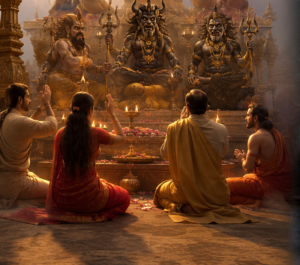
Tamasika people Tamasika people do not understand sacrifice. Hence, their effort in any situation is without reason, understanding or reverence. As a result, their expectation of outcome also becomes one of chance and hope due to which they adopt different kinds of superstitious and occult practices.
- They eat without restraint or control and are unable to differentiate between what they eat. Also, they are susceptible to substance abuse.
What are some self-improvement suggestions on shraddha?
- It is very important for us to reflect on our own svabhava (personality traits) and recognise those of others in various situations.
- To develop and evolve, we need to improve our capabilities in the following areas – discrimination between permanent and impermanent (vivekam), dispassion (vairagyam), sincerity and dedication (shraddha), austerity (tapas) and ability to sacrifice (yajna).
- When we begin the practice, we begin to experience resistance from purusha (experiencer) because asmita (self-worth) becomes threatened by non-existence. The weakest link is our vasanas (memories of past knowledge) which force us to behave in particular manner.
- When we evolve in this practice,
- Slowly, a stillness begins to set in. This stillness brings pranayama (control over prana).
- There is increased control over reaction to stimulus (pratyahara).
- Dhyana (meditation) becomes steady.
- We become non-threatening and get a steady awareness (sthitaprajna).
School of Yoga explains Srimad-bhagavad-gita, chapter 17 shraddha traya-vibhaga-yoga (yoga delineating the three types of shraddha).
Some contradictions to accepted positions on shraddha.
- Shraddha has often been termed as faith. Shraddha is not faith, in fact, it has no direct translation in English. Shraddha is a mix of dedication, patience and perseverance, all of which are real and measurable (sat). In fact, faith is considered an affliction because it is a state of svapna-avastha (dream state), a state that is not real and should be transcended (asat).
- Do guna ratios change over time? What makes them change? Is it your karma? Once a debt (rinn) has been paid off, the identity no longer has that load to carry. Also, once a debt is paid off, other debts may not immediately come up for repayment because the framework and players for repayment may not be available. This lightens the Self. This also allows awareness (prajna) the freedom to increase discrimination (vivekam) and dispassion (vairagyam). So, this is an opportunity for the Soul to increase awareness, reduce creation of fresh debt and merge with Brahman.
School of Yoga explains Śrīmad-bhagavad-gītā, chapter 17 shraddha traya-vibhaga-yoga (yoga delineating the three types of shraddha).
Lessons learned in Chapter 17 shraddha traya-vibhaga-yoga (yoga delineating the three types of shraddha).
- There are two primary states, permanent and impermanent.
- Prarabdha-karma drives personality traits (svabhava) and these manifest through attributes (guna).
- From awareness (prajna) comes the ability to increase discrimination (viveka) and dispassion (vairagyam). When this happens, there is a reduction in the creation of fresh debt and this allows the Soul to merge with brahman.
- Om-tat-sat means the brahmān (Om) is cognised every time sacrifice (yajña) is performed (tat) with the sole intention of adding value (sat).
- To achieve Om-tat-sat, śraddhā is required.
The transliteration and translation of Srimad-bhagavad-gita, chapter 17 follows shraddha traya-vibhaga-yoga (yoga delineating the three types of shraddha).
The Sanskrit diacritic words are in red italics.
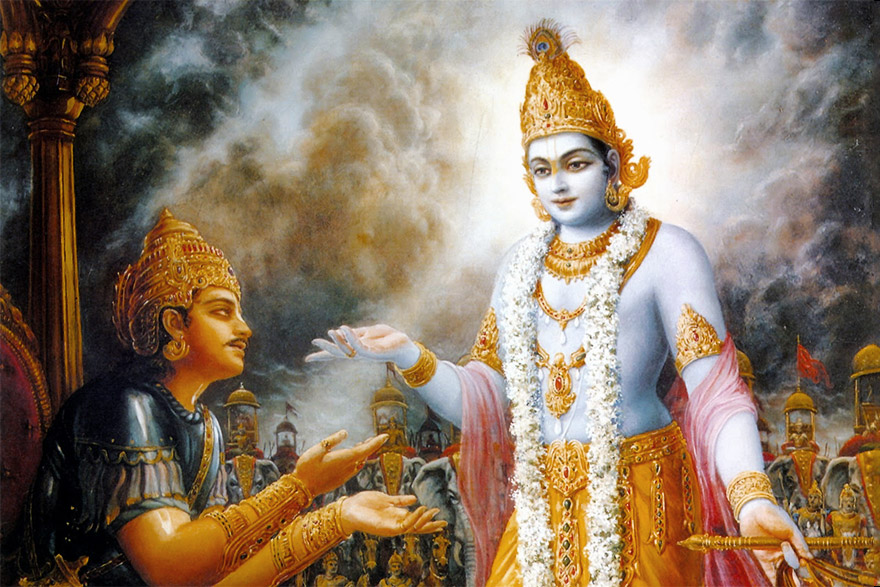
Arjuna said (1) What about those that abandon operating procedures and simply perform sacrifices with dedication? What becomes of them? What are the conditions of sattva, rajas and tamas (ye śāstravidhimutsṛjya yajante śraddhayānvitāḥ । teṣāṃ niṣṭhā tu kā kṛṣṇa sattvamāho rajastamaḥ ॥ 17-1॥).
Śrī Kṛṣṇa replied (2-3) Now, hear the threefold dedication of the embodied which is inherent in sāttvika, rājasika and even tāmasika (trividhā bhavati śraddhā dehināṃ sā svabhāvajā । sāttvikī rājasī caiva tāmasī ceti tāṃ śaṛṇu ॥ 17-2॥). Conformance of nature in everyone is as per his dedication. Śraddhā determines the person, truly he is what his dedication is (sattvānurūpā sarvasya śraddhā bhavati bhārata । śraddhāmayo’yaṃ puruṣo yo yacchraddhaḥ sa eva saḥ ॥ 17-3॥).
(4) Those of sāttvika qualities worship the deities, rājasika people worship demi-gods and demons, tāmasika people worship ghosts and myriad nature spirits (yajante sāttvikā devānyakṣarakṣāṃsi rājasāḥ । pretānbhūtagaṇāṃścānye yajante tāmasā janāḥ ॥ 17-4॥).
(5-6) Those people not following proper procedures, practicing terrible austerity, given to feeling of doer-ship, hypocrisy, desire, attachment and power (aśāstravihitaṃ ghoraṃ tapyante ye tapo janāḥ । dambhāhaṅkārasaṃyuktāḥ kāmarāgabalānvitāḥ ॥ 17-5॥). Senselessly torturing all the elements in the body and me who dwells in the body, these are known to be of demonic resolve (karṣayantaḥ śarīrasthaṃ bhūtagrāmamacetasaḥ । māṃ caivāntaḥśarīrasthaṃ tānviddhyāsuraniścayān ॥ 17-6॥).
(7-8) Indeed, of all, food is critical in the three paths of sacrifice, austerity and charity, hear the distinction between them (āhārastvapi sarvasya trividho bhavati priyaḥ । yajñastapastathā dānaṃ teṣāṃ bhedamimaṃ śaṛṇu ॥ 17-7॥). Those that promote life, value, strength, health, happiness, amicability, are tasty, viscous, substantial, agreeable foods are dear to sāttvika people (āyuḥsattvabalārogyasukhaprītivivardhanāḥ । rasyāḥ snigdhāḥ sthirā hṛdyā āhārāḥ sāttvikapriyāḥ ॥ 17-8॥).
(9-10) Food that is bitter, sour, salty, very pungent and fiery, dry, burning are liked by rājasika people and bring pain, grief and disease (kaṭvamlalavaṇātyuṣṇatīkṣṇarūkṣavidāhinaḥ । āhārā rājasasyeṣṭā duḥkhaśokāmayapradāḥ ॥ 17-9॥). That which is stale, tasteless, putrid, rotten, left-overs and also impure foods are liked by tāmasika (yātayāmaṃ gatarasaṃ pūti paryuṣitaṃ ca yat । ucchiṣṭamapi cāmedhyaṃ bhojanaṃ tāmasapriyam ॥ 17-10॥).
(11-13) Those not longing for fruits of sacrifice that is performed as per process, which is offered as it should be, with their cognition steady is sāttvika (aphalākāṅkṣibhiryajño vidhidṛṣṭo ya ijyate । yaṣṭavyameveti manaḥ samādhāya sa sāttvikaḥ ॥ 17-11॥). Those seeking fruits by fraudulent means and also which is offered as sacrifice, that is rājasika (abhisandhāya tu phalaṃ dambhārthamapi caiva yat । ijyate bharataśreṣṭha taṃ yajñaṃ viddhi rājasam ॥ 17-12॥). Any effort that does not follow process, food is not shared, no mantras are chanted, no emoluments are made and there is no dedication, that sacrifice is called tāmasika (vidhihīnamasṛṣṭānnaṃ mantrahīnamadakṣiṇam । śraddhāvirahitaṃ yajñaṃ tāmasaṃ paricakṣate ॥ 17-13॥).
(14-16) Those that worship the deities, twice-born, teachers, awareness, purity, straight-forwardness, celibacy, non-injury is called austerity of the body (devadvijaguruprājñapūjanaṃ śaucamārjavam । brahmacaryamahiṃsā ca śārīraṃ tapa ucyate ॥ 17-14॥). Causing no excitement in speech, truthful, pleasant and beneficial which comes from self-study is austerity of speech (anudvegakaraṃ vākyaṃ satyaṃ priyahitaṃ ca yat । svādhyāyābhyasanaṃ caiva vāṅmayaṃ tapa ucyate ॥ 17-15॥). Serenity of cognition, good-heartedness, silence, self-control, clean sentiment, this is called tapas of the cognition (manaḥ prasādaḥ saumyatvaṃ maunamātmavinigrahaḥ । bhāvasaṃśuddhirityetattapo mānasamucyate ॥ 17-16॥).
(17-19) These threefold austerity, when practiced with dedication my men united with no desire for the fruit are called sāttvika (śraddhayā parayā taptaṃ tapastattrividhaṃ naraiḥ । aphalākāṅkṣibhiryuktaiḥ sāttvikaṃ paricakṣate ॥ 17-17॥). When hypocrisy is practiced in austerity with the object of gaining praise, honour or wealth, that is said to be rājasa and this is unstable and transient (satkāramānapūjārthaṃ tapo dambhena caiva yat । kriyate tadiha proktaṃ rājasaṃ calamadhruvam ॥ 17-18॥). When the self is encased in delusion and includes practice of torture in the austerity or is for destroying another, that is declared as tāmasika (mūḍhagrāheṇātmano yatpīḍayā kriyate tapaḥ । parasyotsādanārthaṃ vā tattāmasamudāhṛtam ॥ 17-19॥).
(20-22) When charity is given without expectation of return, in a proper place, at the correct time and to a worthy person, that charity is deemed sāttvika (dātavyamiti yaddānaṃ dīyate’nupakāriṇe । deśe kāle ca pātre ca taddānaṃ sāttvikaṃ smṛtam ॥ 17-20॥). Indeed, when it is given with an expectation of return favour and reluctantly, that charity is called rājasika (yattu pratyupakārārthaṃ phalamuddiśya vā punaḥ । dīyate ca parikliṣṭaṃ taddānaṃ rājasaṃ smṛtam ॥ 17-21॥). A gift that is given without heeding place or time and given without respect, even insult, that charity is called tāmasika (adeśakāle yaddānamapātrebhyaśca dīyate । asatkṛtamavajñātaṃ tattāmasamudāhṛtam ॥ 17-22॥).
(23-24) Om-tat-sat (pranava–brahman-value creation), thus is the designation for brahman, the threefold brahman, Veda and sacrifices have been created by the ancients (oṃtatsaditi nirdeśo brahmaṇastrividhaḥ smṛtaḥ । brāhmaṇāstena vedāśca yajñāśca vihitāḥ purā ॥ 17-23॥). So, as enjoined in the scriptures, OM is thus uttered every time by the students of brahman when acts of sacrifice, charity and austerity are begun (tasmādomityudāhṛtya yajñadānatapaḥkriyāḥ । pravartante vidhānoktāḥ satataṃ brahmavādinām ॥ 17-24॥).
(25-26) Tat is the act of sacrifice, austerity and charity without desire for fruits in any action generated by seekers of liberation (tadityanabhisandhāya phalaṃ yajñatapaḥkriyāḥ । dānakriyāśca vividhāḥ kriyante mokṣakāṅkṣibhiḥ ॥ 17-25॥). Sat is the sentiment of reality, sentiment of goodness and thus, sat word is thus used in auspicious acts also (sadbhāve sādhubhāve ca sadityetatprayujyate । praśaste karmaṇi tathā sacchabdaḥ pārtha yujyate ॥ 17-26॥).
(27-28) In sacrifice, in austerity, in charity and steadfastness, sat is thus called and action undertaken for anything is called sat (yajñe tapasi dāne ca sthitiḥ saditi cocyate । karma caiva tadarthīyaṃ sadityevābhidhīyate ॥ 17-27॥). Without dedication, when sacrifice is given, austerity is performed and the outcome is called asat and has no value here or hereafter (aśraddhayā hutaṃ dattaṃ tapastaptaṃ kṛtaṃ ca yat । asadityucyate pārtha na ca tatpretya no iha ॥ 17-28॥).
The complete text is available in my book, A Seeker’s Śrīmad-Bhagavadgītā.
Buy your copy today – Notion Press home / Flipkart / Amazon / Amazon India / Amazon UK / Amazon US / Amazon Australia
Acknowledgement –
School of Yoga is profoundly grateful to Saṃskṛta scholars and academics Pijus Kanti Pal (pal.pijuskanti@gmail.com) and Dolon Chanpa Mondal for their support in Saṃskṛta transliteration and quality control.