What is pincha mayurasana?
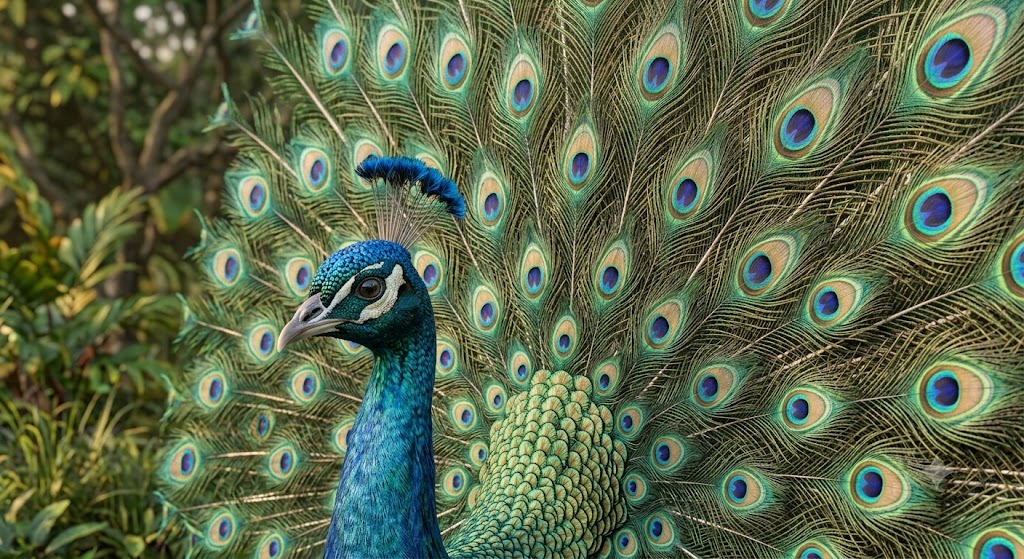
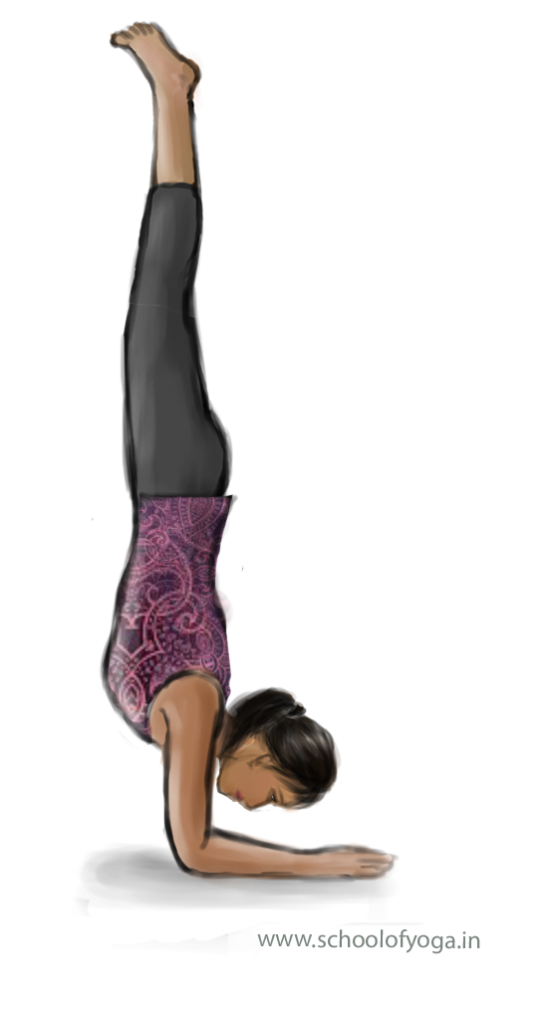
Pincha mayurasana (pincha = feather, mayur = peacock, asana = pose) is an advanced pose, balancing the weight of the entire body on the forearms. This forearm stand exercise should be learned under supervision only.
What is the technique to practice pincha mayurasana ? (Should be learned under the supervision of an advanced practitioner)
- Sthithi (starting) pose: Spread a thick cloth pad against a wall. Kneel in front of the pad.
- Bend forward and place your hands on the spread to form a “V” at an angle of approximately 60 degrees. Also, the palms should be turned facing the body with fingers interlaced.
- Place the top of the head close to the cradle of the interlaced hands, so that the palms touch the back of the head.
- Raise your legs so that the torso begins to get vertical from the ground.
- Bring your legs close to the body.
- Lift one leg. Leveraging with elbows, shoulder and lower back muscles, slowly launch the other leg off the ground smoothly.
- Bend the knees so that the torso is balancing on both the forearms, and the weight of the body is anchored in the muscles of the shoulder and shoulder blades.
- As the torso rises, keep your knees together. Get into an upside-down position.
- Straighten your hands using the shoulder and arm muscles.
- The body should be held straight in the final position.
- Maintain normal breathing.
- Focus on the movement of breath at the throat.
- Stabilise your position and straighten your legs.
- After sufficient practice one could begin doing this exercise away from a wall. In this case after lifting the legs off the ground, fold them at the knees square to the body for balance.
- Start with 10 seconds initially. Normal cycle is 3 to 20 minutes. Descend in reverse order, slowly.
- The recommended yoga drishti (gaze) is urdhva drishti (open sky gaze).
What are the benefits of pincha mayurasana?
- This asana infuses oxygen pregnant blood into the central nervous system. As a result, the brain cells are invigorated, waste is cleaned and removed. The oxygen stabilises the brain’s metabolic activity. Therefore, this exercise is good for behavioural and psychological development.
- The eyes, eye muscles, retinal nerves are flushed with oxygen impregnated blood. Hence, this asana is very good for eye health.
- This asana energises the thalamus, hypothalamus and pituitary glands which controls the functioning of testes in men, and all the endocrine organs such as the thyroid and adrenaline glands.
- The downward force of blood also helps in infusing blood to the ears, eyes, mucous tissues and salivary glands. Also, the throat breathing balances ear pressure.
- This exercise is good for maintaining body fat balance, since the pituitary glands also regulate the balance between water and salt in body fluids, through the kidneys.
- Since the weight of the body is not carried by the cervix but by the shoulders, this asana rejuvenates the cartilage and muscles in the spine, and the sympathetic and parasympathetic nervous system.
- The muscles of the back are strengthened by practicing this exercise.
- Finally, the downward pressure of the colon contents increases peristalsis and cures constipation.
What are the contraindications for pincha mayurasana?
- People with heart or circulatory ailments should not practice this asana.
- This asana should not be practiced by people suffering from arthritis, hernia and back problems.
- People with eyes, lungs, liver, or kidney related illnesses must perform this asana only under supervision of a physician.
- Do not perform this asana during menstruation or pregnancy.
Some noteworthy points on the feather peacock pose:
Internal Links: Dharma (conditioning), Stress and Situational Awareness, Prana, Asana overview 1, Asana Overview 2, Asana Focus or gazing, Pranayama, Yama, Niyama, Shirasanana, Mayurasana,
External Links: Prana, Chakra, Pancha Tattva, Pancha Prana, Pancha Kosha, Nadi,
- First, this asana requires a lot of preparation and must not be attempted by a novice.
- Second, if you are over 40, do not start this asana unless you are completely fit with a history of physical activity.
- Third, if you have blood pressure or circulatory issues, with ENT (eyes, ears, nose or throat) problems, history of obesity, shoulder and neck ailments, do not practice this asana.
- In the beginning, this asana can be very difficult owing to the resistance offered by the hip-joint and inability to bend forward. Therefore, it is important to remember that any progress will come over time.
- Do not relax the abdomen. It can cause the abdominal walls to collapse and lead to tearing of the inguinal hernia.
- Unlike shirshasana, where the load distribution is a stable 3-point system, in this asana, the loading is 2-point without the benefit of the head for stability. Hence, it is important that the following preparatory asanas are practiced :
- Practice shirshasana and be able to hold the pose for 5 minutes.
- Mayurasana should be practiced to strengthen the wrists and forearms.
- Start pincha mayurasana against a wall until able to hold the pose for 2 minutes.
- Slowly try to perform this asana without the support of a wall.