
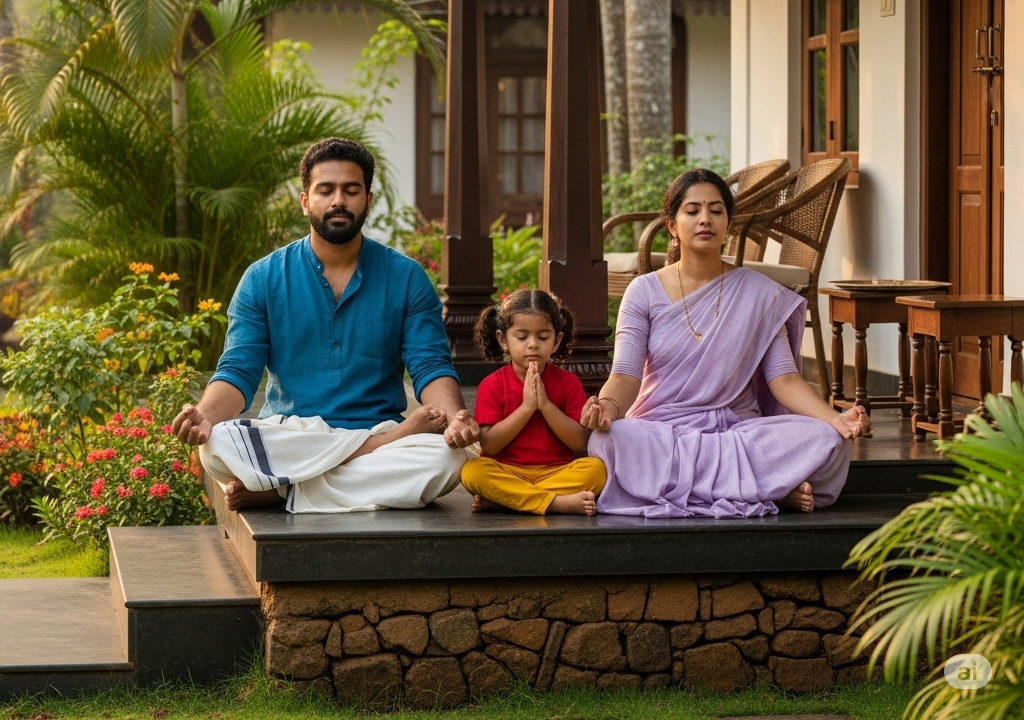
Prāṇāyāma: The breath regulation practice
What is prāṇāyāma? Prāṇāyāma is an ancient Indian breath control technique that enhances health, wellness, and consciousness through regulation of […]
Prāṅāyama has often been described as a breath control technique. While this is correct, it is incomplete. Prāṅāyama is control of the flow of prāṅa or motility.
The objective is to control breathing without application of will, such that the individual is always in a state of kumbhaka or null, which is called kevala-kumbhaka.
What is prāṇāyāma? Prāṇāyāma is an ancient Indian breath control technique that enhances health, wellness, and consciousness through regulation of […]
What are the benefits of prāṇāyāma? The benefits of prāṇāyāma (prāṇa = motility or breath + ayama = stretching/ restraint) originate from the
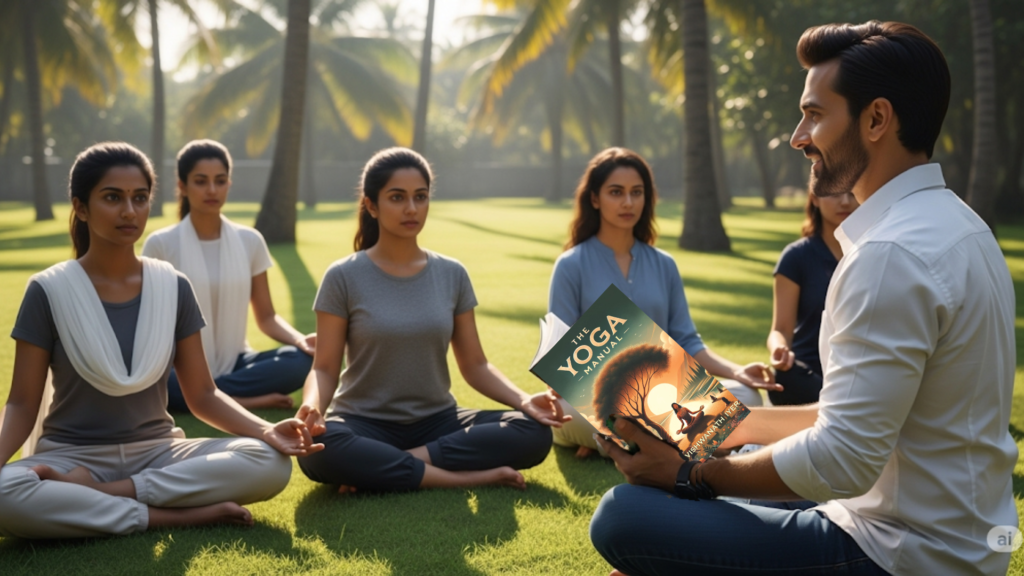
Why is prāṇāyāma important? The process – Oxygen-filled air goes into the lungs during inhalation and the oxygen moves to
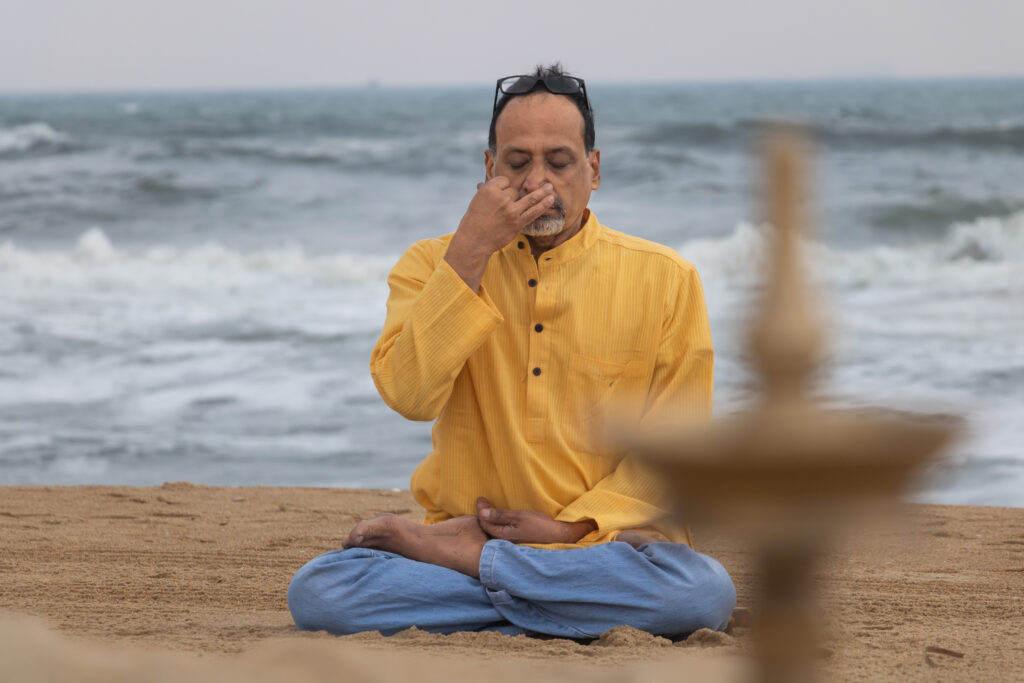
School of Yoga explains nāḍī-śuddhi-prāṇāyāma or anulom-vilom Nāḍī-śuddhi is a basic and most widely used form of prāṇāyāma and means
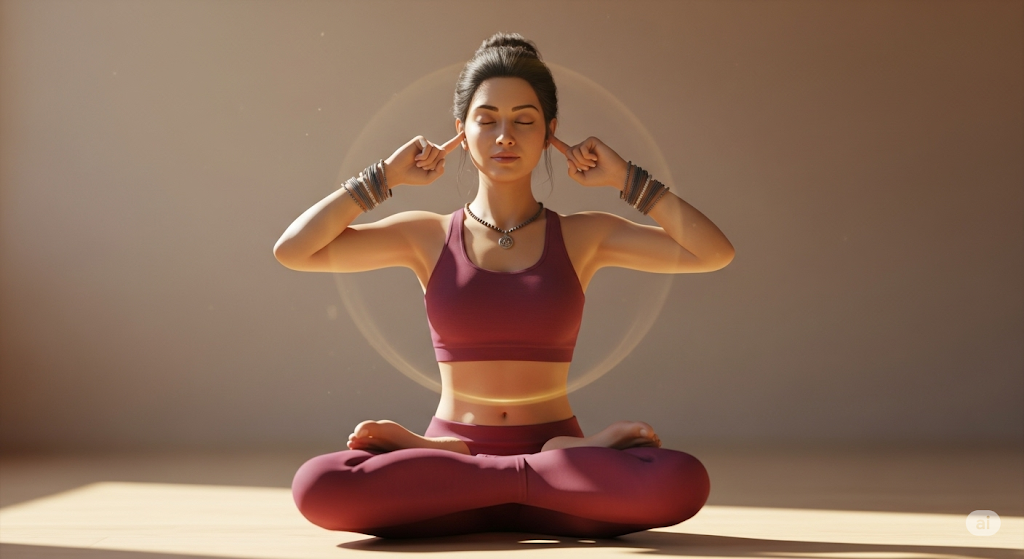
Bhramarī practice to strengthen the throat School of Yoga explains bhramarī (bhramar = bee) prāṇāyāma The bhramarī-prāṇāyāma is a form of diaphragmatic
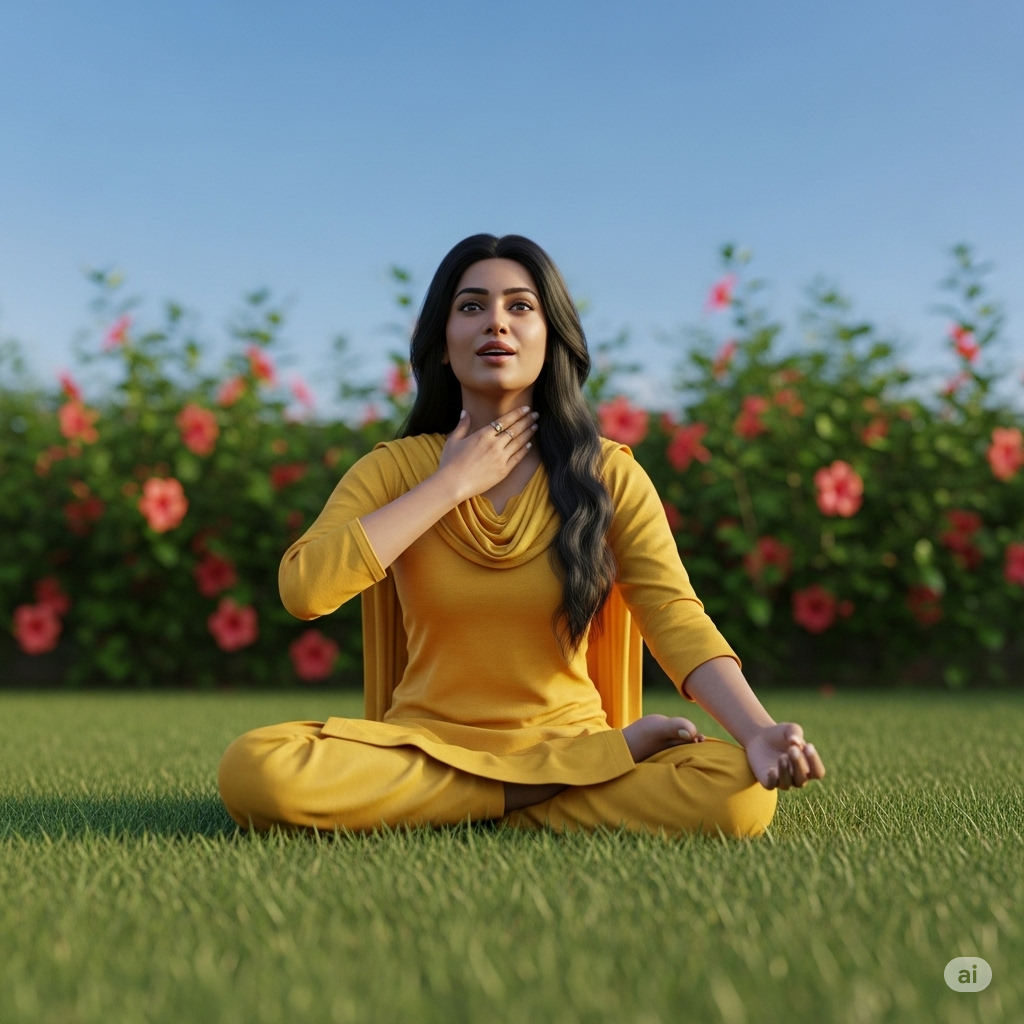
Ujjayi (Ujjeyi) is a form of diaphragmatic breathing where the glottis is closed by constricting the throat during inhalation and
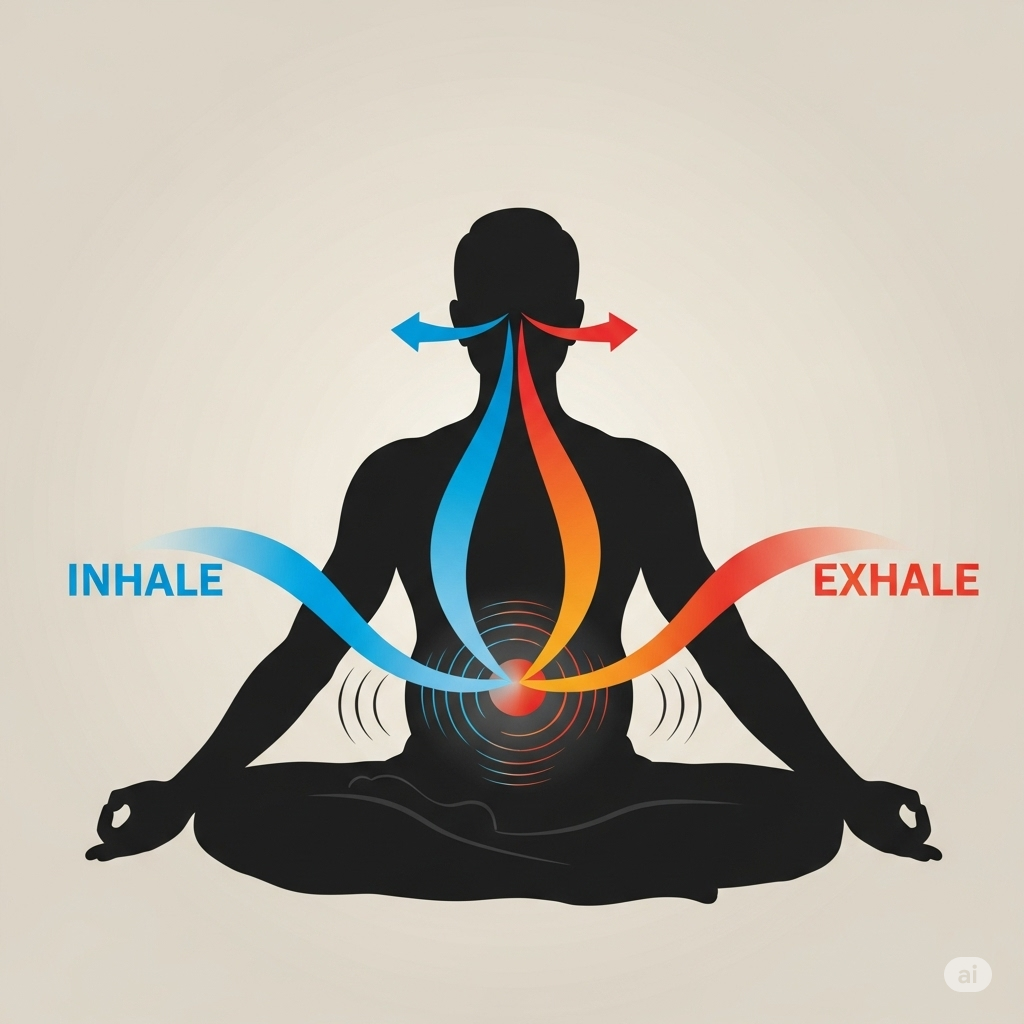
School of Yoga explains kapālabhātī – (kapāla = skull + bhātī = shining) In kapālabhātī-prāṇāyāma, the inhalation is passive, but the
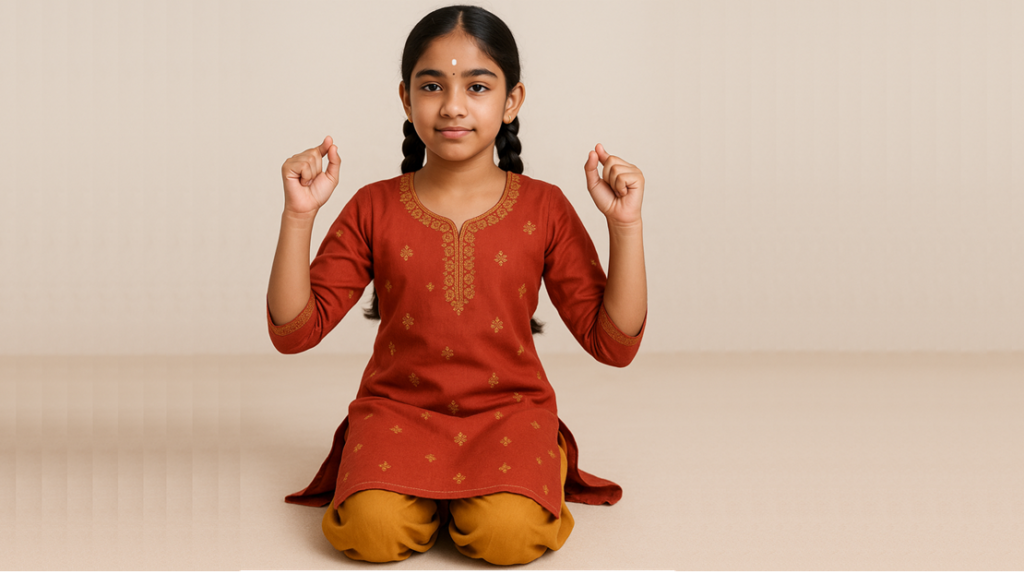
School of Yoga explains the bhastrikā (bellows) prāṇāyāma technique In bhastrikā-prāṇāyāma, the practitioner rapidly inhales and exhales using the diaphragm